

Resumindo:
Para redução não invasiva de rugas, os lasers de 1450 nm (direcionados à água) concentram o calor na derme média para estimular o colágeno com segurança em todos os tons de pele; o laser de 1064 nm penetra mais profundamente, interage mais com a melanina/hemoglobina e é mais adequado para aplicações vasculares/capilares do que para remodelação dérmica precisa. As evidências citadas mostram que o dispositivo de 1450 nm da NIRA alcança melhorias maiores na Escala de Rugas de Fitzpatrick (média de 1 a 2 pontos; até 3) e resultados mais expressivos na prática clínica do que os dispositivos de 1064 nm não fracionados, que também apresentam maior risco de hiperpigmentação pós-inflamatória (HPI).
- Por que 1450 nm é superior: absorção de água aproximadamente 300 vezes maior > Aquecimento dérmico médio focalizado (0,5 mm), remodelação do colágeno, tempo de recuperação mínimo/segurança em todos os graus de Fitz I-VI.
- Lacuna de evidências: o NIRA (1450 nm) possui dados clínicos cegos e aprovação 510(k) da FDA; o DermRays (1064 nm) carece de ensaios clínicos revisados por pares e apresenta resultados mais fracos e variáveis.
- Dica prática: Para tratamentos antienvelhecimento em casa, escolha 1450 nm (e.g., NIRA) para maior eficácia e conforto; reserve 1064 nm para outras indicações ou configurações profissionais.
RESUMO
Este relatório fornece uma comparação detalhada entre os Comprimentos de onda de laser de 1450 nm e 1064 nm para não- rejuvenescimento invasivo da pele, enfatizando seu uso para redução de rugas. Uma análise da física fundamental e das interações teciduais de cada comprimento de onda é seguida por uma comparação de aplicações práticas de dois dispositivos aprovados pelo FDA - NIRA e DermRays, que operam nesses comprimentos de onda.
Introdução
A redução de rugas continua sendo um dos tratamentos estéticos mais procurados, já que os pacientes buscam soluções seguras e não invasivas para o rejuvenescimento da pele. O envelhecimento da pele é causado por fatores naturais e ambientais. Entre as tecnologias disponíveis, destacam-se os lasers de diodo.—particularmente NIRA laser de 1450 nm e DermRays' laser de 1064 nm—ganharam destaque por suas capacidades de rejuvenescimento da pele não ablativo. No entanto, evidências clínicas revelam diferenças significativas em sua eficácia e potenciais efeitos colaterais na redução de rugas.
O laser de diodo de 1450 nm da NIRA é otimizado para absorção de água e demonstra capacidades superiores de remodelação de colágeno, criando estresse térmico preciso na derme média. Em contraste, o laser de diodo de 1064 nm da DermRays tem como alvo tratamentos em tecidos mais profundos e aplicações vasculares, com base na absorção do comprimento de onda pela melanina e hemoglobina.
Este relatório técnico examina os princípios científicos, os resultados clínicos e as considerações práticas que distinguem esses dois sistemas avançados de laser de diodo na redução de rugas. Ao analisar suas interações com os tecidos, protocolos de tratamento e desempenho no mundo real, este relatório fornece informações baseadas em evidências para ajudar os usuários finais a tomar decisões informadas sobre essas tecnologias para obter resultados ideais de rejuvenescimento cutâneo não ablativo.
Componentes da Pele
A pele é composta por três camadas distintas, cada uma com propriedades estruturais e funcionais únicas, conforme ilustrado na Figura 1.1 A camada mais externa, a epiderme, varia em espessura de 0,03 mm em áreas delicadas como as pálpebras a 2 mm em áreas mais espessas como as palmas das mãos e as solas dos pés.2 A espessura média da epiderme em toda a face é de aproximadamente 0,18 mm.3 A epiderme atua como a principal barreira protetora do corpo e é onde se encontra a melanina, o pigmento responsável pela cor da pele e pela proteção contra os raios UV.4
A epiderme tem um teor de água relativamente baixo (15– 20%), tornando-a menos responsiva a tratamentos a laser direcionados à água.4 No entanto, sua preservação é crucial para evitar complicações pós-tratamento, como cicatrizes ou discromias, especialmente em tons de pele mais escuros. O uso de comprimentos de onda com baixa absorção de melanina para o tratamento de tons de pele mais escuros é preferível para prevenir problemas de pigmentação.
Abaixo da epiderme encontra-se a derme, que varia de 0,5 mm a 1,5 mm de espessura e serve como...
base estrutural da pele.2 Esta camadaespessura de A média é de 0,98 mm na área facial.3 A derme é composta principalmente de colágeno tipo I (90% do corpo colágeno tipo I para resistência, colágeno tipo III para flexibilidade e elastina e ácido hialurônico para elasticidade e hidratação.5 A derme é o principal alvo dos tratamentos que estimulam o colágeno e também contém hemoglobina, que dá ao sangue sua cor vermelha e contribui para as variações na tonalidade da pele em condições vasculares.4
A derme facial possui 72% de conteúdo de água, o que a torna altamente receptiva a lasers de diodo de 1450 nm, que são absorvidos a 0,5 mm de profundidade para fornecer energia térmica precisa à derme média.4,6 Isso estimula os fibroblastos a produzirem novo colágeno e elastina, resultando na redução de rugas e no endurecimento da pele sem danificar a epiderme.

Figura 1. Camadas da Pele (Hxtran, 2023)
A camada mais profunda, a hipoderme, é composta de gordura e tecido conjuntivo e varia drasticamente em espessura (de 0,5 mm a 30 mm), dependendo da localização no corpo e da adiposidade individual.2 Com um teor de água de apenas 6– Com 36% de composição, essa camada oferece suporte estrutural, isolamento e volume, mas não é um alvo direto para tratamentos a laser não ablativos.4 O laser com comprimento de onda de 1064 nm possui baixa absorção de água e penetra mais profundamente que a epiderme e a derme, atingindo cerca de 4 mm de profundidade.7,8 Isso resulta na absorção de energia pela hipoderme e pelas camadas musculares mais profundas.
Mecanismo do envelhecimento facial
O envelhecimento facial é um processo biológico complexo, impulsionado por fatores intrínsecos, como genética e alterações hormonais, e fatores extrínsecos, incluindo exposição aos raios UV, poluição e hábitos de vida como tabagismo ou má alimentação. Com o tempo, esses fatores levam a danos cumulativos, principalmente na derme, onde componentes estruturais essenciais como colágeno, elastina e ácido hialurônico se degradam. Essa degradação resulta na perda de volume/espessura, elasticidade e firmeza da pele. A falta de hidratação pode se manifestar como linhas finas, rugas profundas, tom de pele irregular, poros dilatados e flacidez.
O papel do colágeno no envelhecimento.
O colágeno, a proteína estrutural mais abundante na pele, é essencial para manter sua força, elasticidade e volume. O colágeno é produzido por células chamadas fibroblastos, que são encontradas predominantemente na derme. Com o tempo, o envelhecimento natural leva a uma diminuição de 1% na espessura da camada córnea da pele.–Queda anual de 1,5% na produção de colágeno, começando já em meados dos 20 anos.9 Esse processo é intensificado por fatores externos de envelhecimento, incluindo exposição solar, poluição e hábitos nocivos como o tabagismo, que degradam ainda mais o colágeno e a elastina. À medida que os níveis de colágeno diminuem, a pele perde a capacidade de se regenerar, levando a sinais visíveis de envelhecimento. Muitos tratamentos antienvelhecimento têm como alvo a derme para estimular os fibroblastos a aumentarem a produção de colágeno, incluindo o tratamento com laser de 1450 nm.
Propriedades de Absorção
A interação entre o laser e o tecido é amplamente determinada pelas propriedades de absorção das moléculas da pele.—principalmente água, melanina e hemoglobina. Essas características de absorção determinam a profundidade de penetração, a eficácia do tratamento e o perfil de segurança de diferentes comprimentos de onda do laser. Veja a Figura 2 para mais detalhes.10
Absorção em 1450 nm
Os 1450 nm O laser de diodo permite uma remodelação dérmica altamente controlada utilizando a água como seu principal cromóforo. Este comprimento de onda apresenta uma absorção de água aproximadamente 300 vezes maior do que 1064 nm (Fig. 3), permitindo confinar a energia precisamente na derme média (0,5 mm de profundidade).—a zona ideal para a estimulação da produção de colágeno.11 Ao atingir a água, o laser induz um estresse térmico controlado, que promove a ativação de fibroblastos e a remodelação do colágeno, minimizando os danos à epiderme.

Figura 2. Espectro de absorção de água, melanina e hemoglobina (Wu & Yang, n.d.)
Além disso, o comprimento de onda de 1450 nm apresenta baixíssima absorção pela melanina e hemoglobina, resultando em absorção quase que exclusivamente pela água. Consequentemente, é especialmente eficaz e confortável para o tratamento de rugas, linhas finas e linhas superficiais na derme e epiderme, sem a preocupação com os efeitos da melanina (cor da pele), tatuagens ou hemoglobina.
Ao concentrar a energia na derme rica em água, dispositivos como o laser de 1450 nm maximizam a remodelação do colágeno, minimizando os riscos para os tecidos circundantes, o que os torna ideais para uma redução de rugas segura e eficaz.

Figura 3. Espectro de Absorção de Água (Small, 2025)
Absorção em 1064 nm
Em contraste, o comprimento de onda de 1064 nm apresenta baixa absorção de água, mas maior absorção pela melanina (aproximadamente 4 vezes maior) e pela hemoglobina (aproximadamente 10 vezes maior) do que o de 1450 nm (Fig. 3). Devido à sua maior absorção, o comprimento de onda de 1064 nm acarreta maior risco de problemas de pigmentação. Além disso, ele penetra cerca de 4 mm ou mais na pele, ultrapassando a derme e estimulando diretamente a síntese de colágeno (Fig. 4).12 No entanto, a absorção pela melanina e hemoglobina pode resultar em aquecimento incidental da derme, tornando-se um mecanismo menos eficiente do que o do laser de 1450 nm. A penetração mais profunda torna o comprimento de onda de 1064 nm ideal para o tratamento de lesões vasculares, remoção de pelos e remoção de tatuagens, mas não para a redução de rugas.
Mecanismos de ação do laser
Lasers não fracionários de 1450 nm
O sistema de laser de diodo de 1450 nm da NIRA implementa a tecnologia de Promoção de Proteínas de Precisão (P3).13 Essa abordagem inovadora otimiza a estimulação térmica para a produção de colágeno, minimizando o desconforto e o tempo de recuperação. O P3 funciona aquecendo rapidamente a derme a uma temperatura acima de 39 °C — o limiar para a ativação da proteína de choque térmico (HSP) — enquanto se mantém cuidadosamente abaixo do limiar da dor (aproximadamente 45 °C). O sistema ajusta a fluência em tempo real, reduzindo a potência à medida que a pele se aproxima de 45 °C para manter níveis terapêuticos em uma faixa de temperatura confortável.
Ao contrário dos lasers fracionados que criam muitos pequenos pontos de dano localizado, a tecnologia P3 aquece a derme uniformemente por 2 a 5 segundos, garantindo uma estimulação térmica generalizada sem danificar as estruturas celulares. Após o pulso de laser, a derme permanece acima de 39°C por aproximadamente 3 segundos, o que gera a produção de HSP (proteínas de choque térmico) que estimulam a síntese de colágeno e os processos gerais de renovação da pele.
As HPSs atuam como chaperonas moleculares, promovendo a formação de novo colágeno (tipos I/III) e a remodelação do colágeno existente.14 O aquecimento dérmico abaixo do limiar da dor garante que não haja danos celulares e que o risco de inflamação e vermelhidão pós-tratamento seja mínimo ou inexistente.
O laser Candela Smoothbeam é um laser não fracionado de grau clínico com comprimento de onda de 1450 nm que opera com uma fluência significativamente maior do que o NIRA, elevando as temperaturas dérmicas bem acima do limiar da dor de 45 °C. Este laser clínico destina-se a 4 a 6 tratamentos mensais com níveis de energia mais elevados e utiliza um sistema de resfriamento criogênico para reduzir os danos à epiderme. Este laser funciona pelo mesmo mecanismo do NIRA para renovação da pele, mas apresenta efeitos colaterais significativos, incluindo dor, edema, eritema e hiperpigmentação.
Lasers não fracionários de 1064 nm
DermRays usa um não-ablativo de 1064 nm não fracionário laser com um termoelétrico integrado resfriamento (TEC) sistema. O TEC retira o calor da superfície, qual DermRays diz manters a temperatura de contato com a pele abaixo de 66°C a prevenir dor. Ma maior parte da potência do laser absorve 4 mm ou Mais profundamente, atingindo a hipoderme — uma camada de gordura e tecido conjuntivo — ou mesmo as camadas musculares abaixo dela. Este é o mesmo mecanismo utilizado no laser clínico não fracionado de 1064 nm da Genesis e da Lyra.

Figura 4. Penetração na pele de 1450 nm vs. 1064 nm (Adaptado de "3D medical animation skin layers", 2020)
Lasers fracionários de 1064 nm
Os dispositivos fracionados de 1064 nm, incluindo o DEKA Again e o Clarity LPY (Tabela 1), empregam um mecanismo de fototermólise fracionada. Ao contrário dos lasers tradicionais não fracionados que tratam toda a superfície, esses dispositivos criam pequenas colunas de dano térmico que se estendem por toda a derme, preservando o tecido circundante. Isso desencadeia uma resposta robusta de cicatrização, estimulando a neocolagênese e a remodelação da elastina.
Embora as "pontes" não tratadas entre as colunas acelerem a cicatrização em comparação com tratamentos totalmente ablativos, os lasers fracionados de 1064 nm ainda exigem um período de recuperação significativo, tornando-os agressivos demais para uso doméstico seguro.
Eficácia de dispositivos a laser para uso doméstico
DermRays (1064 nm)
Enquanto DermRays O Revive foi aprovado pela FDA sob o processo 510(k). K231910 Para redução de rugas, remoção de pelos e rejuvenescimento da pele, seu uso não foi comprovado por ensaios clínicos revisados por pares ou avaliações histológicas publicadas.15 DermRays realizou uma auditoria de terceiros Société Générale de Vigilância (SGS) Estudo de consumo envolvendo 28 participantes (idades entre 33 e 59 anos) ao longo de 56 dias.16 Os resultados alegar um 26.Redução de 4% na quantidade de rugas, Redução de 25,8% no tamanho das rugase um Redução de 6% na profundidade das rugas conforme declarado por DermRdias site, no entanto, O relatório oficial da SGS não está disponível publicamente para confirmação.. Lá era não há medição formal da redução de rugas de acordo com o Escala de Rugas de Fitzpatrick (FWS), uma ferramenta usada para avaliar a gravidade das rugas, Isso permite a comparação com outros dispositivos. Testes SGS As conclusões foram derivadas de autoavaliação e relatórios não revisados por pares.. Este tipo de estudo tem um grande viés de confirmação e não é considerado cientificamente preciso ou um resultado confiável.
Não existem evidências publicamente disponíveis de ensaios clínicos randomizados controlados, avaliações realizadas por dermatologistas às cegas ou confirmação histológica da remodelação do colágeno para DermRays. Seu clínico eficácia para redução de rugas restos não está claro Na ausência de evidências robustas e revisadas por pares.
NIRA (1450 nm)
Em contraste, dispositivos que operam a 1450 nm, como o NIRA (K163137, K222685), são respaldadas por dados técnicos revisados pela FDA e por um estudo clínico independente e cego supervisionado por três especialistas médicos, que demonstrou melhora significativa em linhas finas e rugas e indicou renovação de colágeno quando usado consecutivamente por 90 dias.17,18
O sistema de laser de diodo de 1450 nm da NIRA é respaldado por robustas evidências clínicas e regulatórias. De acordo com o documento submetido à FDA (510(k) - K163137), um estudo clínico com 76 participantes demonstrou melhorias significativas nas rugas periorbitais. Notavelmente, 69% dos participantes apresentaram uma melhora de pelo menos 1 ponto na Escala de Rugas de Fitzpatrick (FWS) de 9 pontos, com uma melhora média de 2 pontos e uma melhora máxima de 3 pontos. Além disso, 68% mantiveram essas melhorias 3 meses após a interrupção do tratamento. 99% dos participantes do estudo clínico relataram que o dispositivo é fácil de usar, 95% observaram resultados em 3 meses e 90% recomendaram o dispositivo.
Eficácia de dispositivos clínicos
Dispositivos não fracionários de 1450 nm
Em um ensaio clínico utilizando o laser Smoothbeam de 1450 nm, as pontuações FWS mostraram reduções sustentadas. As melhorias começaram com uma diminuição de 1,05 pontos em 1 mês, subindo para 1,3 pontos em 3 meses e atingindo o pico de 1,55 pontos em 6 meses (Tabela 1).19 Após 12 meses de acompanhamento, observou-se uma ligeira regressão para 1,42 pontos. Os efeitos colaterais incluíram eritema e hiperpigmentação, que foram resolvidos com agentes clareadores tópicos. Entende-se que a hiperpigmentação foi causada pelo resfriamento dinâmico utilizado durante os tratamentos, e não pelo comprimento de onda ou fluência aplicados, visto que 1450 nm não é bem absorvido pela melanina. O tratamento foi bem tolerado, com desconforto leve a moderado.
Um estudo separado, utilizando o mesmo dispositivo, apresentou resultados mais expressivos, com uma redução de 3 pontos alcançada no ponto final de 6 meses (Tabela 1).20 O tratamento foi bem tolerado por todos os pacientes, com um ligeiro desconforto, mas não foram relatados efeitos adversos.
Dispositivos não fracionários de 1064 nm
Um estudo que avaliou o Laser Genesis da Cutera demonstrou uma melhora média de 0,8 pontos nas rugas após 3 meses, sem efeitos adversos (Tabela 1).21 Outro estudo utilizando o Laserscope Lyra relatou uma redução de 0,48 pontos em 3 meses, que aumentou para 1,5 pontos após 5 meses (Tabela 1).22 Os efeitos colaterais neste estudo incluíram dor moderada, edema leve e eritema. Esses resultados com laser não fracionado de 1064 nm são provavelmente os mais adequados para comparação com os resultados do DermRays não fracionado. É improvável que a eficácia do DermRays seja superior aos resultados clínicos, especialmente considerando a fluência muito menor do DermRays em comparação com os dispositivos clínicos.

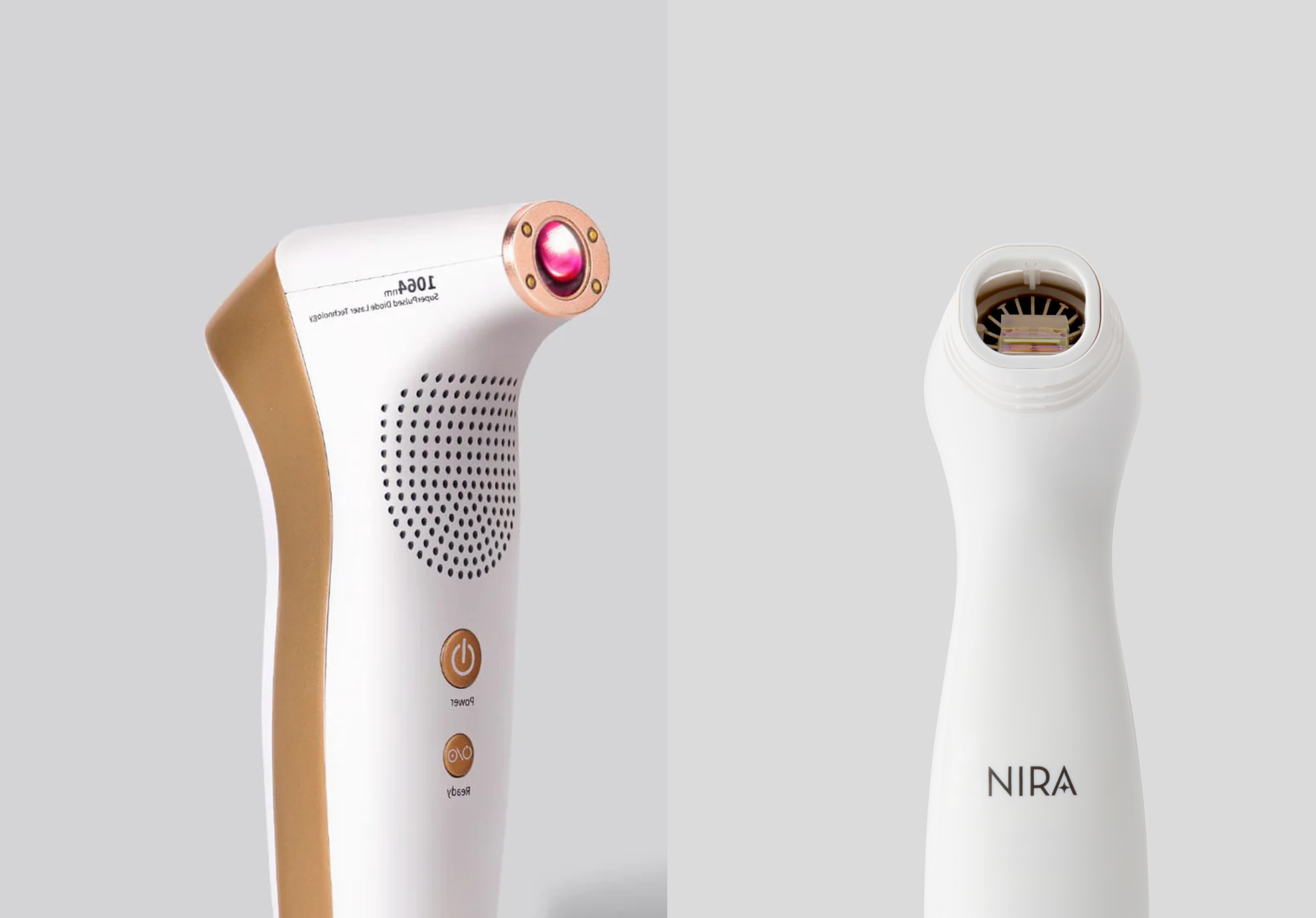
Figura 5. Dispositivos de uso doméstico Precision (esquerda) e Pro (direita) da NIRA
Dispositivos fracionários de 1550 nm
Os dispositivos de laser fracionado de 1550 nm são amplamente utilizados em consultórios dermatológicos para redução de rugas e rejuvenescimento facial, bem como para o tratamento do pescoço e outras áreas estéticas. O comprimento de onda de 1550 nm possui uma taxa de absorção de água semelhante à de 1450 nm, conforme mostrado na Figura 2, mas penetra um pouco mais profundamente na derme. Essa penetração mais profunda permite que o laser fracionado atinja e interrompa termicamente colunas inteiras de tecido derme. tecido através da derme em cada ponto de tratamento fracionado.
O dano controlado estimula os mecanismos naturais do corpo. O processo de cicatrização ocorre quando o tecido circundante saudável auxilia na reparação, promovendo a produção de novo colágeno e a remodelação da derme. Isso é alcançado ao longo de uma série de tratamentos.—geralmente três ou mais—As zonas fracionadas são aleatorizadas, garantindo uma renovação dérmica completa. A cada sessão, a pele apresenta uma melhora gradual, resultando em uma textura e um tom mais suaves e rejuvenescidos.
Estudos clínicos demonstraram que os tratamentos com laser fracionado melhoraram ligeiramente os escores da Escala de Dor de Fragilidade (FWS) em comparação com dispositivos não fracionados de 1450 nm. No entanto, os efeitos colaterais comuns dos lasers fracionados de 1550 nm incluíram eritema transitório e prolongado, além de dor moderada. O laser FRAX1550 alcançou uma redução de 2,4 pontos na FWS, enquanto o dispositivo Fraxel Xena demonstrou uma redução de 0,7 ponto em 1 mês e de 2,91 pontos em 3 meses.23, 24 Esses resultados são comparáveis aos do dispositivo doméstico NIRA, com uma redução média de 2 pontos percentuais, que não apresentou efeitos adversos graves.
Dispositivos fracionários de 1064 nm
Um estudo clínico avaliando o Clarity LPYTM O laser demonstrou redução progressiva das rugas ao longo do tempo, com melhorias no índice FWS de 0,58 pontos em 1 mês, 1,52 em 2 meses e 2,11 em 3 meses.25 Os pacientes relataram dor leve e eritema transitório como efeitos colaterais comuns.
Em comparação, o dispositivo DEKA Again (Fig. 6) alcançou uma redução de 1,6 pontos na escala FWS, enquanto o Discovery Pico Plus apresentou uma redução de 1,82 pontos, com relatos semelhantes de leve desconforto e eritema.26,27,28 Esses lasers fracionados funcionam emitindo energia focalizada para romper termicamente o tecido alvo, desencadeando uma resposta controlada de cicatrização que promove a remodelação do colágeno e a regeneração dérmica. Embora essa abordagem proporcione uma redução de rugas maior do que os tratamentos não fracionados, ela também apresenta um risco maior de efeitos colaterais, independentemente de utilizar uma abordagem ablativa ou não ablativa.
É importante considerar que o mecanismo de ação difere significativamente dos dispositivos não fracionados de 1064 nm. Como os lasers fracionados induzem zonas de lesão térmica focalizadas e dependem da fototermólise fracionada, seus resultados não podem ser comparados diretamente aos de sistemas não fracionados como o DermRays.' dispositivo. Portanto, é A melhor maneira de comparar o desempenho não fracionado do DermRays é com o desempenho clínico não fracionado de 1064nm.
Considerações sobre segurança e dor
T o comprimento de onda de 1450 nm, visando principalmente a água, é Seguro para todos os tipos de pele Fitzpatrick (I–VI) com efeitos adversos mínimos ou inexistentes. A escala de Fitzpatrick é um sistema de classificação numérica para a cor da pele humana, com números mais altos indicando uma cor mais escura. indicando tons de pele mais escuros.

Figura 6. Dispositivo Clínico DEKA Again (Again Pro, n.d.)
O NIRA atinge temperaturas terapêuticas de forma controlada para minimizar o desconforto, oferecendo cinco opções de nível de energia para que os usuários selecionem o nível em que se sentem mais confortáveis. Calor sem desconforto ou efeitos colaterais. Da NIRA Estudos clínicos demonstraram que o tratamento com esse nível de calor, sem efeitos colaterais, proporciona a melhor redução de rugas da categoria. Com os resultados clínicos apresentados abaixo, fica claro que o NIRA é um tratamento seguro e eficaz para todos os tipos de pele, sem efeitos adversos, ao contrário de outros dispositivos clínicos e de uso doméstico.
Porque a melanina absorve aproximadamente quatro vezes mais energia em 1064 nm Comprimentos de onda inferiores a 1450 nm apresentam maior risco de efeitos colaterais, incluindo eritema e hiperpigmentação pós-inflamatória (especialmente em tons de pele mais escuros, do tipo Fitzpatrick IV).–VI) e, muitas vezes, requerem mecanismos de resfriamento ou redução da fluência para melhorar a tolerabilidade e a segurança. Essa concentração de energia em pontos tão escuros pode causar feridas e cicatrizes na pele.
Comprimento de onda ideal para antienvelhecimento em casa
Ao comparar lasers clínicos de consultório com dispositivos para uso doméstico, comprimentos de onda de 1064 nm demonstram efeitos antienvelhecimento menos pronunciados na derme em comparação com comprimentos de onda mais longos, como 1450 nm e 1550 nm. Isso é especialmente verdadeiro para dispositivos de tratamento não fracionados. A diferença decorre da baixa concentração de água em 1064 nm. absorção, o que resulta na passagem da energia do laser pela derme com pouca absorção (e eficácia relacionada). A maior parte da potência do laser de 1064 nm penetra até aproximadamente 4 mm ou mais de profundidade.—atingindo a hipoderme e as camadas musculares, em vez de se concentrar na derme.
Em estudos clínicos, dispositivos não fracionados de 1064 nm apresentaram redução de rugas relativamente baixa, com reduções na escala FWS variando de 0,48 a 1,0 ponto. Esse comprimento de onda também acarreta um risco maior de efeitos colaterais, particularmente em tons de pele mais escuros (Fitzpatrick IV-VI), onde a absorção de melanina pode levar à hiperpigmentação pós-inflamatória ou lesão térmica.
Em contraste, lasers de 1450 nm e 1550 nm—com sua maior absorção de água—Fornece mais energia à derme, promovendo a remodelação do colágeno com menos riscos de complicações de pigmentação.
O dispositivo não fracionado de 1450 nm apresentou resultados comparáveis aos lasers fracionados clínicos de 1064 nm e 1550 nm (apesar do mecanismo de ação diferente da abordagem fracionada). Esses resultados superiores ocorreram independentemente do fato de os lasers de 1064 nm utilizarem uma fluência significativamente maior (J/cm²).2), demonstrando que o direcionamento da derme com um comprimento de onda preciso é muito mais importante do que a fluência e a potência geral do laser.
O NIRA alcançou uma redução média de 1,4 e 2 pontos na escala FWS após 3 e 7 meses, com uma redução máxima de 3 pontos ao final do ciclo de tratamento. Esse resultado superou a maior redução obtida com um laser de 1064 nm não fracionado de uso clínico, que apresentou uma redução média de 0,48 após 3 meses e 1,0 após 6 meses. Portanto, o NIRA proporcionou uma redução de rugas de 2 a 3 vezes maior em comparação com lasers de 1064 nm não fracionados.
O NIRA também foi comparável à maior redução obtida com um laser fracionado de 1064 nm, que foi de 2,11. Isso é significativo porque os lasers não fracionados de 1064 nm normalmente exigem mais energia para penetrar profundamente, aumentando o risco de hiperpigmentação em tons de pele mais escuros, enquanto proporcionam melhorias estéticas menores. Os lasers fracionados de 1064 nm, embora eficazes, muitas vezes envolvem mais tempo de inatividade e efeitos colaterais devido aos seus Mecanismos de ruptura ablativa ou térmica. Da NIRA O desempenho demonstra eficácia que rivaliza com a fração lasers com um perfil mais seguro e suave. Isso torna o da NIRA Os lasers de 1450 nm são opções promissoras para pacientes que buscam resultados visíveis de rejuvenescimento com tempo de recuperação mínimo.
Eficiência através do fornecimento de energia
Foi realizada uma simulação comparativa de 17 semanas para as diretrizes de uso do NIRA e do DermRays, assumindo que o usuário siga a aplicação de 80 pulsos por dia. Nessas condições, o NIRA—Projetado para uso diário—O tratamento com NIRA forneceu aproximadamente 65.688 J de energia total, enquanto o DermRays, seguindo um protocolo de redução gradual, forneceu apenas 32.384 J (Fig. 7). Isso demonstra que o NIRA proporciona cerca de duas vezes mais exposição cumulativa à energia durante o período de tratamento.
O fornecimento consistente e suficiente de energia é fundamental para a remodelação eficaz do colágeno e a redução de rugas. Uma maior exposição total à energia garante uma estimulação mais sustentada dos fibroblastos, promovendo uma melhor estrutura. Reparo na derme. Maior da NIRA fornecimento de energia— combinado com sua absorção de água 300 vezes maior— Isso provavelmente explica seus resultados antienvelhecimento superiores. Esses fatores permitem uma neocolagênese mais robusta, levando a uma melhora visível na textura e firmeza da pele ao longo do tempo.
Assim, de acordo com os protocolos especificados, a NIRA manteve-se estável. A alta emissão de energia e a absorção dérmica superior são os principais fatores que impulsionam seu desempenho antienvelhecimento aprimorado em comparação com o DermRays.
Conclusão
Em conclusão, o comprimento de onda de 1450 nm é Biomecanicamente superior na redução de rugas devido à sua alta absorção de água, direcionamento dérmico seletivo e menos efeitos colaterais. Dispositivos como o NIRA maximizam essa vantagem fornecendo energia consistente e controlada diariamente na derme média, onde ocorre a produção de colágeno. estimulado com maior eficácia. O baixo comprimento de onda A absorção de melanina também garante resultados seguros e uniformes em todos os fototipos de pele Fitzpatrick, minimizando o risco de hiperpigmentação ou superaquecimento.
Embora lasers de 1064 nm, como o DermRays, sejam eficazes para Embora penetrem mais profundamente nos tecidos e tenham aplicações mais amplas, como em lesões vasculares e pigmentação, são menos eficientes para a remodelação precisa do colágeno e apresentam maior risco de desconforto e problemas de pigmentação em tons de pele mais escuros devido à maior absorção de melanina.
Além disso, seus esquemas de tratamento são menos frequentes e fornecem menos energia cumulativa ao longo do tempo.
Em geral, para dispositivos de uso doméstico comum, a abordagem não fracionária de 1450 nm (e.gO NIRA oferece de 2 a 3 vezes mais eficácia antienvelhecimento com efeitos colaterais significativamente menores, conforme demonstrado por diversos artigos clínicos analisados.

Figura 7. Comparação de energia entre DermRays e NIRA ao longo de 17 semanas
Tabela 1. Resumo dos Resultados Clínicos

Os valores da escala de rugas acima foram normalizados para a escala de Fitzpatrick de 9 pontos.
Referências
-
Hxtran(22 de abril de 2023). Arquivo:Diferente camadas de skin.png - Wikimedia Commons. https://commons.wikimedia.org/wiki/File:Different_layers_of_skin.png#Licensing
-
A pele. (n.d.). Oncobeta. https://www.oncobeta.com/your-health/nmsc-info/the-skin
-
Meng, Y., Feng, L., Shan, J., Yuan, Z., & Jin, L. (2022). Aplicação de ultrassom de alta frequência para Avaliar a espessura da pele facial em associação com sexo, idade e IMC em adultos saudáveis. BMC Imagens médicas, 22(1). https://doi.org/10.1186/s12880-022-00839-w
-
Setchfield, K., Gorman, A., Simpson, A., Somekh, M., & Wright, A. (2023). Relevância e utilidade de Propriedades ópticas da pele in vivo e ex vivo relatadas na literatura: uma revisão. [Convidado]. Biomedical Optics Express, 14(7), 3555–3583. http://dx.doi.org/10.1364/BOE.493588
-
Profissional, CCM (6 de junho de 2025). Colágeno. Cleveland Clinic. https://my.clevelandclinic.org/health/articles/23089-collagen
-
Laubach, H., Astner, S., Watanabe, K., Clifford, J., Rius-Diaz, F., Zurakowski, D., & Manstein, D. (2009).Efeitos de um laser de diodo de 1.450 nm na secreção de sebo facial. Lasers in Surgery and Medicina, 41(2), 110–115. https://doi.org/10.1002/lsm.20672
-
Mestres, AA, Pitassi, LHU, Campos, V., Wolkerstorfer, A., & Dierickx, CC (2013). Transcutâneo Tratamento a laser de veias nas pernas. Lasers in Medical Science, 29(2), 481–492. https://doi.org/10.1007/s10103-013-1483-2
-
Kaub, L., & Schmitz, C. (2023b). Comparação da profundidade de penetração da luz laser de 905 nm e 1064 nm. em Camadas Superficiais de Tecido Biológico Ex Vivo. Biomedicinas, 11(5), 1355. https://doi.org/10.3390/biomedicines11051355
-
Reilly, DM, & Lozano, J. (2021). Colágeno da pele através do fases da vidaimportância para a saúde da pele e beleza. Pesquisa em Plástico e Estética, 8, 2. https://doi.org/10.20517/2347-9264.2020.153
-
Wu, O., & Yang, K. (n.dOs lasers de diodo de 1470 nm permitem o rejuvenescimento da pele em casa. https://digital.laserfocusworld.com/laserfocusworld/202104/MobilePagedArticle.action?articleId=1676230#articleId1676230
-
Small, R. (22 de abril de 2025). Redução de rugas com Não ablativo Lasers. Portal Clínico. https://clinicalgate.com/wrinkle-reduction-with-nonablative-lasers/
-
Observação. Adaptado de “Arquivo:Pele de animação médica 3D layers.jpg". (2020, 15 de janeiro). Wikimedia Comuns. https://commons.wikimedia.org/wiki/File:3D_medical_animation_skin_layers.jpg
-
Bean, D., Huang, Z., Feldchtein, F., Govoni, K., & Dermal Photonics Corp. (Marca NIRA). (janeiro de 2019) 20). Tratamento dinâmico não fracionado de rugas com laser portátil de baixa potência de 1450 nm em uma única passagem..
-
Barragens, SD, De Amor-van Besta, M., Nuijs, AM, Oomens, CWJ, & Baaijens, FPT (2011). Calor Choques aumentam a expressão de pró-colágeno tipo I e III em fibroblastos na pele humana ex vivo. Pesquisa da Pele e Tecnologia, 17(2), 167–180. https://doi.org/10.1111/j.1600-0846.2010.00473.x
-
Tanisha Hithe. (n.d.Carta para Wuhan Lótus Technology Co., Ltd. referente à Notificação Pré-mercado 510(k) para DermRays Reviver. https://www.accessdata.fda.gov/cdrh_docs/pdf23/K231910.pdf
-
DermRays Revitalize o tratamento a laser da pele para um efeito antienvelhecimento e uma luminosidade como nunca antes.n.d.). DermRays. https://www.dermrays.com/products/dermrays-revive
-
Ashar, BS (Diretor). (2017). Carta à Dermal Photonics Corporation a respeito de Laser de pele Nira Beauty Notificação pré-comercialização 510(k). Em análise pela Food and Drug Administration (FDA). https://www.accessdata.fda.gov/cdrh_docs/pdf16/K163137.pdf
-
Wang, J., Dermal Photonics Corp, & Feldchtein, F. (2023). Carta à Dermal Photonics Corp referente ao 510(k) Notificação de pré-mercado para o modelo 2 da NIRA. Em U.S. Comida & Administração de medicamentos, U.S. Comida & Medicamento Administração. https://www.accessdata.fda.gov/cdrh_docs/pdf22/K222685.pdf
-
Tanzi, EL, Williams, CM, & Alster, TS (2003). Tratamento facial rítides com um não ablativo 1.450-Laser de diodo Nm: um estudo clínico e histológico controlado. Cirurgia Dermatológica, 29(2), 124–128. https://doi.org/10.1046/j.1524-4725.2003.29046.x
-
Trelles, MA, Todos, I., Levy, JL, Calderhead, RG, & Moreno-Arias, GA (2004). Combinado Não ablativo Rejuvenescimento da pele com lasers de 595 e 1450 nm. Cirurgia Dermatológica, 30(10), 1292–1298. https://doi.org/10.1111/j.1524-4725.2004.30405.x
-
Tanaka, Y., Matsuo, K., & Yuzuriha, S. (2011). Avaliação objetiva do rejuvenescimento da pele utilizando aproximar-Laser de neodímio: YAG infravermelho de 1064 nm em asiáticos. Estudos clínicos, cosméticos e de investigação. Dermatologia, 123. https://doi.org/10.2147/ccid.s22841
-
Lee, MC (2003). Combinação de lasers de 532 nm e 1064 nm para rejuvenescimento não invasivo da pele e tonificação. Arquivos de Dermatologia, 139(10), 1265. https://doi.org/10.1001/archderm.139.10.1265
-
Tidwell, WJ, Green, C., Jensen, D., & Ross, EV (2018).Avaliação clínica e análise in vivo do Desempenho de um sistema de laser infravermelho fracionado de 1550 nm para rejuvenescimento da pele. Revista de Cosméticos e Terapia a laser, 20(6), 360–363. https://doi.org/10.1080/14764172.2018.1511915
-
Moon, H., Yun, W., Lee, YJ, Lee, M., & Chang, S. (2015). Um estudo prospectivo, randomizado e duplo-cego comparação de um laser de granada de ítrio-alumínio dopado com érbio ablativo fracionário de 2940 nm com um não ablativo Laser fracionado de vidro dopado com érbio de 1550 nm para o tratamento da pele asiática fotoenvelhecida. Revista de Tratamento Dermatológico, 26(6), 551–557. https://doi.org/10.3109/09546634.2014.999020
-
Hong, JS, Park, SY, Seo, KK, Goo, BL, Hwang, EJ, Park, GY, & Eun, HC (2014). Pulso longo 1064 nm Nd:YAG Tratamento a laser para redução de rugas e flacidez da pele: avaliação de novos parâmetros. Revista Internacional de Dermatologia, 54(9). https://doi.org/10.1111/ijd.12626
-
Tecnologia médica de ponta. (n.d.). https://www.hightechmedical.com.au/product/again-pro
-
Piccolo, D., Crisman, G., Gallo, G., Fusco, I., & Conforti, C. (2023). Pulsado longo 1064 nm Nd:YAG Laser Tratamento para flacidez cutânea e redução de rugas: avaliação de um novo aplicador e configuração "em movimento". Técnica — Um estudo de série de casos. Fotobiomodulação Fotomedicina e Cirurgia a Laser, 41(6), 297–299. https://doi.org/10.1089/photob.2023.0024
-
Van Thanh Le, T., Nguyen, PT, Le, VA, Ta, QH, Zevini, A., Martinelli, D., & Barini, R. (2025). Fracionário 1064 nm Nd:YAG Laser de picossegundos para rejuvenescimento da pele asiática: eficácia clínica e o papel da fotoproteção. comportamentos. Lasers em Ciências Médicas, 40(1). https://doi.org/10.1007/s10103-025-04453-4
-
Rahman, Z., & Ostrowski, R. (n.d.). Uma avaliação clínica e fotográfica de um dispositivo de monitoramento da pele com comprimento de onda de 1440 nm para uso doméstico. Laser rejuvenescedor. [Manuscrito não publicado]. Universidade de Stanford; Tria Beauty, Inc.


