

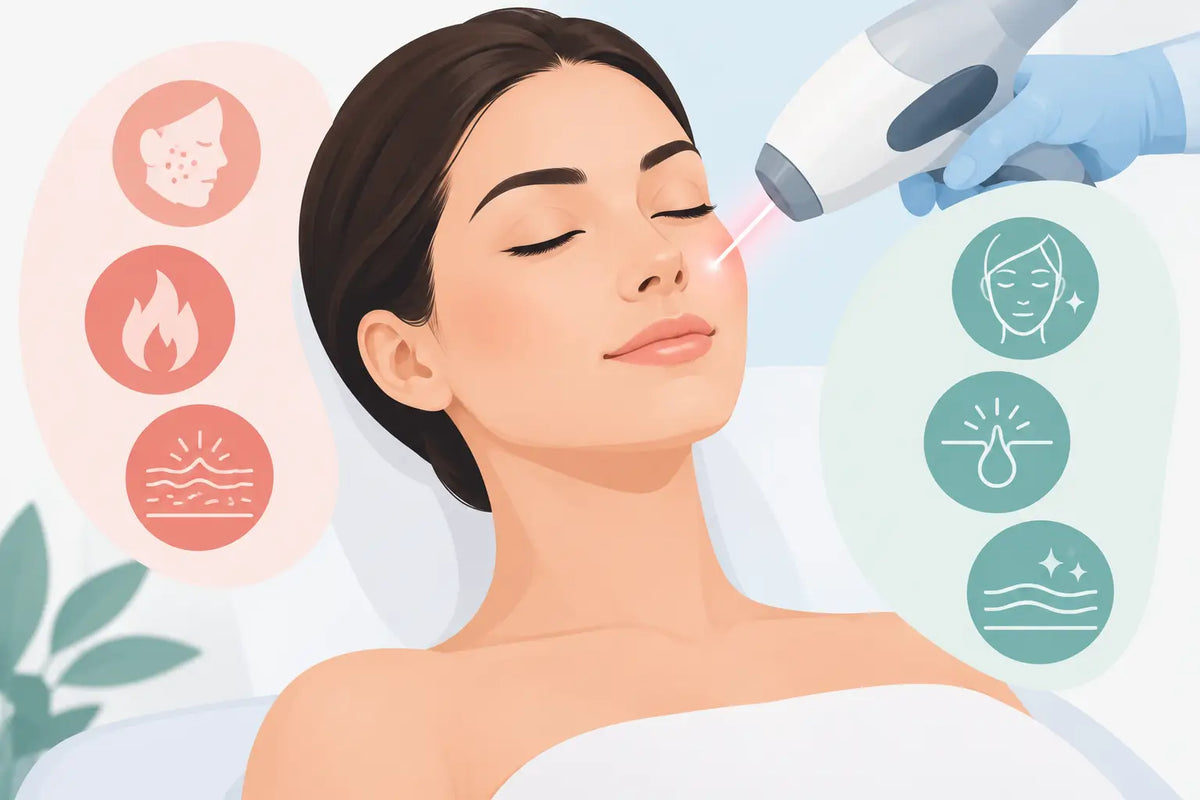
Laser treatment risks are worth understanding before you book an appointment or bring a device into your skincare routine. Laser technology can be an effective way to address visible signs of aging, including fine lines, wrinkles, uneven texture, and loss of firmness. But not all lasers work the same way, and the right treatment for one person may be too aggressive, too weak, or simply inappropriate for another.
The safest results come from matching the technology to your skin, goals, and tolerance for downtime. That means looking beyond the promise of dramatic before-and-afters and asking smarter questions about wavelength, treatment intensity, provider experience, and aftercare.
Why laser treatment risks vary so much
A laser delivers focused light energy into the skin. Depending on the device and setting, that energy may target water, pigment, blood vessels, or structures deeper in the dermis. The intended response is controlled: the skin repairs itself, collagen production increases, and surface concerns can gradually improve.
The trade-off is that laser treatments deliberately create heat. When that heat is not properly calibrated for the skin being treated, it can lead to complications. Risk is shaped by the type of laser, the treatment area, the energy level, your natural skin tone, recent sun exposure, medical history, and how carefully you follow pre- and post-treatment instructions.
Ablative lasers remove portions of the skin’s surface and can produce significant resurfacing results, but they also involve more recovery and a higher likelihood of irritation, infection, or pigment changes. Non-ablative treatments heat targeted tissue beneath the surface without removing the outer layer of skin. They generally involve less downtime, though results may build more gradually over a series of treatments.
At-home devices are another category entirely. A well-designed, FDA-cleared at-home laser is engineered for repeated use at a lower energy level than many professional procedures. That can make it a compelling option for people who want to support collagen without planning their schedule around extensive recovery. It does not eliminate the need for careful use, however.
The most common side effects of laser treatments
Most laser side effects are temporary and expected. Redness, warmth, mild swelling, and tenderness can occur after both professional and at-home treatments. Depending on the device, the skin may also feel dry, tight, or lightly sunburned for a short period.
With stronger resurfacing lasers, peeling and crusting may be part of the recovery process. These effects can be normal, but they require patience. Picking, scrubbing, or introducing potent active ingredients before the skin has recovered can turn a routine healing response into prolonged irritation or discoloration.
Short-lived changes do not necessarily mean a treatment has gone wrong. What matters is whether symptoms align with the expected recovery timeline provided by your clinician or device manufacturer. Pain that intensifies, spreading redness, blisters, drainage, or fever deserve prompt medical attention.
Pigment changes deserve special attention
Hyperpigmentation and hypopigmentation are among the laser treatment risks people should understand most clearly. Hyperpigmentation means darker areas of skin can develop after inflammation. Hypopigmentation refers to a loss of pigment, which may appear as lighter patches.
Anyone can experience pigment changes, but the risk can be higher in deeper skin tones and in skin that tans easily or has a history of post-inflammatory hyperpigmentation. This does not mean laser treatments are automatically off-limits. It means device selection, settings, treatment planning, and provider expertise matter even more.
Sun exposure is a major variable. Skin that is recently tanned or sunburned is more reactive and can absorb laser energy unpredictably. Consistent broad-spectrum sunscreen use and sun avoidance as directed are not optional finishing touches. They are central to protecting your result.
If your primary concern is discoloration, be realistic about the process. A laser can help certain forms of uneven tone, but inflammation from an overly aggressive treatment may worsen the very concern you wanted to correct. A gradual approach is often the smarter one.
Burns, blistering, and scarring: uncommon but serious
Burns and blisters can happen when energy settings are too high, when a device is used incorrectly, or when the skin is not an appropriate candidate for treatment at that time. Recent sun exposure, self-tanner, photosensitizing medications, and certain skincare ingredients can all change how the skin responds.
Scarring is less common, but it is a serious potential complication. People with a personal history of keloid scars or poor wound healing should discuss this with a qualified medical professional before choosing a stronger laser procedure. Active acne breakouts, eczema flares, open wounds, cold sores, and skin infections may also require you to postpone treatment.
If you are prone to cold sores, laser energy around the mouth can trigger an outbreak. A clinician may recommend preventive antiviral medication before an in-office procedure. Do not assume that a previous cold sore is irrelevant simply because your skin looks clear on treatment day.
How to reduce laser treatment risks before you start
The best laser plan starts with an honest skin assessment, not a sales pitch. For professional treatment, seek a licensed, experienced provider who can explain the specific device being used, why it fits your skin type, what results are realistic, and what recovery will require.
Ask whether a test spot makes sense, particularly if you have deeper skin tone, melasma, a tendency to discolor after blemishes, or a history of sensitivity. A patch test cannot predict every outcome, but it can offer useful information about how your skin responds.
Before any laser treatment, disclose prescription medications, over-the-counter products, supplements, past cosmetic procedures, skin conditions, and recent sun exposure. Retinoids, exfoliating acids, benzoyl peroxide, and other active products may need to be paused according to your provider’s direction. Never stop a prescribed medication without consulting the clinician who prescribed it.
For at-home devices, use only as instructed. Read the contraindications, treat only approved areas, and do not increase frequency or intensity in pursuit of faster results. More heat is not automatically more collagen, and irritation can interrupt the consistency that long-term skin improvement requires.
Choosing between in-office and at-home laser care
An in-office laser may be appropriate when you want to address more advanced photoaging, pronounced texture, scars, or concerns that benefit from a clinician’s ability to customize stronger treatment settings. The trade-off may be greater cost, more downtime, and a more involved recovery period.
At-home laser care can fit a different goal: steady collagen support, visible improvement in fine lines, and a routine that respects a full calendar. NIRA’s non-fractional at-home laser technology is designed to deliver targeted heat beneath the skin’s surface without creating the visible wounding associated with ablative resurfacing. Like any skincare device, it should be used exactly as directed and with appropriate expectations about gradual results.
Neither path is universally better. The right choice depends on the concern you are treating, your skin history, how much downtime you can accept, and whether you value one intense procedure or a consistent at-home regimen.
Aftercare is part of the treatment
Laser aftercare protects both comfort and outcomes. Keep the routine simple while your skin settles: gentle cleansing, supportive hydration, and daily broad-spectrum SPF are often the foundation. Avoid heat exposure, vigorous exercise, hot baths, saunas, and direct sun for the period recommended for your specific treatment.
Do not exfoliate peeling skin or use strong actives until your provider says it is appropriate. Friction and impatience can prolong redness and raise the risk of uneven tone. If you were given a post-procedure plan, follow that plan over general skincare advice.
You should contact your treatment provider or a medical professional if you experience severe pain, extensive blistering, increasing swelling, signs of infection, unexpected changes in vision after treatment near the eyes, or symptoms that worsen rather than improve.
The goal of laser care should never be to push your skin past its limits. Choose technology that fits your skin, respect the protocol, and give collagen the time it needs to respond. The most beautiful results tend to come from that measured, confident approach.


