

TL;DR
Collagen declines from your mid-20s, but you can nudge skin to rebuild itself-no needles needed-by stacking smart habits (protein + vitamin C, sleep, SPF), proven topicals (retinoids, peptides, HA), and non-fractional at-home lasers that heat the dermis to stimulate fibroblasts. NIRA Pro (1450 nm) is FDA-cleared and designed for quick, painless daily sessions that gradually smooth fine lines and restore firmness in ~60-90 days.
- Daily stack: protein + vitamin C, hydrate/sleep, SPF 30+; use vitamin C (AM), retinol (PM), and HA for plumpness.
- Laser boost: treat clean skin first (NIRA Pro), then layer serums; avoid strong acids the same day.
- Expectation: improvements build over weeks-consistency beats intensity; track results across face, neck, chest, and hands.
You can feel it before you see it. One morning, the skin under your eyes looks a little thinner. A smile photo shows lines that didn’t used to be there. That firm, smooth texture? It’s just not bouncing back like it used to.
If you’ve had that moment, you’re not alone, and you don’t have to default to injections. There are smarter, non-invasive ways to support your skin’s natural collagen production—from your face to your neck, chest, and even hands.
Collagen naturally breaks down with time. However, with the right combination of daily habits, smart skincare, and at-home technology, you can encourage your skin to rebuild itself, no needles or fillers required.
Looking for a face-focused guide? Read our complete collagen restoration blog here.
Collagen Does More Than You Think
It’s what holds everything together. Collagen gives skin its structure. It keeps things firm, smooth, and lifted. But starting in your mid-20s, production starts slowing down. A little less each year.
By your 40s and 50s, that adds up—especially if you’ve had sun exposure, stress, or less sleep than you'd like to admit. Fine lines settle in. Skin starts to feel thinner. That’s not just age. It’s collagen loss in real time.
If you’re curious about when this starts and why it feels like it sneaks up on you, this guide on when you start losing collagen breaks it down clearly.
The short version? Your skin is constantly working to maintain collagen, but you can give it a significant advantage with the right support.
Ways to Support Collagen That Don’t Involve a Needle
No syringes, no clinic bills, no downtime. These approaches support collagen production in ways your skin already understands naturally.
Food, Sleep, and Small Daily Moves
Collagen starts inside—literally. Your body needs the right fuel to make it.
- Protein gives your body the amino acids it uses to build collagen. Think chicken, fish, eggs, tofu.
- Vitamin C helps convert those amino acids into usable collagen. Load up on citrus, berries, and bell peppers.
- Antioxidants (like those in leafy greens and green tea) protect the collagen you already have.
- Water matters more than you think. Dehydrated skin looks more lined—even if your collagen is fine.
- Sleep is when your skin does most of its repair work. No magic product will make up for five hours a night.
None of this is complicated. But it stacks up.
What You Put on Your Skin Can Help Too
Skincare won’t rebuild collagen overnight. But used consistently, the right ingredients can support skin renewal and firmness.
- Retinoids (like retinol) encourage collagen-producing cells to work harder.
- Peptides are little messengers that tell your skin to repair itself.
- Vitamin C serums protect against environmental damage and support firmness.
- Hyaluronic acid doesn’t directly make collagen, but it plumps and hydrates the skin so it looks smoother while you build deeper results.
The goal isn’t perfection—it’s consistency. Let your skin respond to a routine that supports it every day.
Do Collagen Supplements Work?
They might. Some research says hydrolyzed collagen peptides (the kind in powders or capsules) can help skin look more hydrated and elastic over time. But they’re not miracle pills. Think of them as one part of the routine, not the entire plan.
At-Home Laser Treatments That Stimulate Collagen
Skincare works on the surface. But to really stimulate collagen, you need to reach the dermis—that deeper layer where collagen actually lives. That’s where collagen laser treatment comes in.
What a Collagen Laser Actually Does
Professional lasers use heat to create tiny “injuries” in the skin, which kicks off your body’s natural healing response. That response? It includes building new collagen.
Now, that used to mean going into a clinic. Redness, peeling, downtime. But non-invasive at-home lasers have changed the game.
Non-fractional laser technology works by gently heating the dermis without damaging the surface. It’s targeted, safe for daily use, and doesn’t make you look like you’ve been sunburned for three days.
Do At-Home Lasers Work for Wrinkles?
In short, yes, especially if you’re looking for a non-invasive alternative to Botox or fillers.
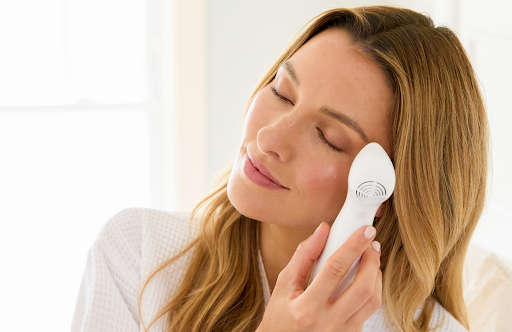
The NIRA Pro Laser(2nd Gen) is a perfect example. It uses 1450nm non-fractional laser technology—the same wavelength trusted by dermatologists—to gently heat the dermis and activate natural collagen production. No damage to the surface. No pain. No downtime.
With 50% more power and 35% faster treatments, it’s our most advanced device yet. Just two minutes a day delivers professional-grade wrinkle reduction, smoothing fine lines and restoring firmness over time.
And because it’s FDA-cleared, safe for all skin tones, and app-connected for tracking and insights, it’s never been easier to keep up with a routine that actually works.
Best of all, there are no injections involved—just your skin doing the work with the right signal.
Supporting Collagen Long-Term Looks Like This
You don’t need a 10-step routine. Or a clinic membership. You just need to commit to a few things that work and give them time to show up in your skin.
- Nourish your skin from the inside.
- Support it on the surface with proven ingredients.
- Treat it deeper with at-home tools that help rebuild what’s been lost.
And maybe most important: be patient. Collagen doesn’t rebuild in a week. But if you give your skin the right signals, it knows what to do.
Frequently Asked Questions
How is an at-home laser different from Botox or fillers?
Botox freezes movement. Fillers add volume. At-home lasers encourage your own collagen to come back. It’s your skin doing the work—it just needed the nudge.
How long does it take to see results?
Most people start to see visible changes in 60 to 90 days. Because the collagen cycle takes time, results build gradually.
Is it safe for all skin types?
Yes, if it’s non-fractional and FDA-cleared. Look for devices tested for safety around sensitive areas like the eyes and lips.
Can I use a laser with retinol or vitamin C?
Yes—but not at the exact same time. Use your laser on clean skin, and layer serums after. Avoid aggressive acids or peels on the same day you use your device.
You can support your skin’s collagen—without the needles.
Start with what’s simple. Feed your skin well, stay consistent with ingredients that work, and try a non-invasive at-home laser that helps rebuild collagen naturally.
No drastic steps. Just real results, one session at a time.


