

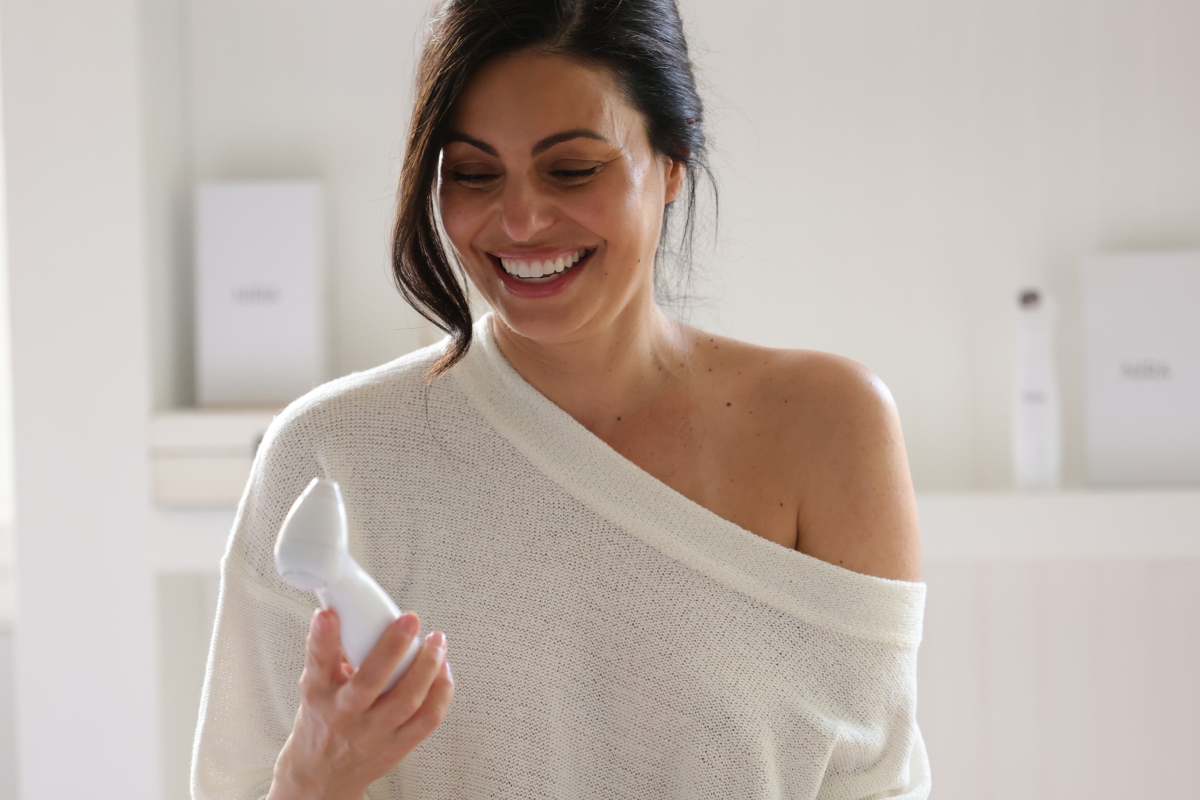
TL;DR;
- How the Technology Works: Microneedling relies on physical micro-injuries to trigger repair, whereas NIRA uses gentle non-fractional laser technology to stimulate collagen without damaging the skin’s surface.
- Time Required per Session: While microneedling can take 20–30 minutes plus prep time, NIRA laser treatments are effortless, taking just two minutes a day.
- Comfort and Sensation: NIRA’s at-home laser is completely painless and requires no numbing agents, unlike microneedling which can be painful and may cause bleeding or bruising.
- Downtime and Recovery: Microneedling often leaves skin red and requires recovery time, whereas NIRA has zero downtime, allowing you to resume your normal activities without delay.
- Safety for Your Skin: NIRA is FDA-cleared and clinically proven safe for all skin tones, avoiding the risk of infection or hyperpigmentation sometimes associated with needles.
You catch a glimpse of yourself during a video call or in the rearview mirror while running errands, and you suddenly notice your skin’s texture has changed. The fine lines around your eyes or the softening of your jawline might feel like they appeared overnight. This is a universal moment for many women navigating their forties and fifties. You want skincare that works as hard as you do, offering visible results with little to no downtime.
When topical creams reach their limit, the conversation shifts to devices that stimulate natural repair. While microneedling and laser therapy both promise rejuvenation, the way they’re used in daily life varies. To help you find a routine that supports your schedule rather than complicating it, here is a clinical comparison of microneedling versus laser skin resurfacing at home to reveal the path to radiant results.
Understanding the Technology: MicroNeedling vs. At-Home Laser
To choose the right tool, we must first understand how each technology interacts with your skin's biology. Both methods aim to achieve the same goal: kickstarting collagen production. However, the route they take to get there varies significantly.
How Microneedling Works
Microneedling, also known as collagen induction therapy, involves using a device equipped with tiny, sterile needles to create physical punctures in the skin's surface. These controlled micro-injuries trigger a wound-healing response. As the skin rushes to repair these tiny holes, it produces new collagen and elastin.
While effective for certain concerns, this process relies on physical trauma to the epidermis. Because the skin barrier is essentially broken during treatment, there are inherent risks involved, including bleeding, bruising, and potential infection if the device is not sterile. Furthermore, the process often requires the application of a conductive gel or numbing cream to manage discomfort.
How Laser Skin Resurfacing at Home Works
In contrast, advanced devices like the NIRA laser utilize non-fractional, non-ablative laser technology. This method does not break the skin's surface. Instead, it uses a specific 1450 nm wavelength to penetrate the epidermis and gently heat the dermis, the deeper layer of skin where collagen is formed.
This targeted thermal energy stimulates fibroblast cells to rebuild natural collagen without damaging the outer layer of the skin. Because there is no physical injury to the surface, the process is designed to be painless.
What to Expect: Treatment, Time, and Results
The Microneedling Reality
Microneedling is not a quick task. A typical session can take between 20 to 30 minutes. This does not include the time required to thoroughly cleanse the skin, apply numbing agents, and sanitize the device before and after use.
Post-treatment, the skin often appears red and inflamed, similar to a moderate sunburn. This downtime means you may need to avoid makeup or social engagements immediately after a session. Additionally, because microneedling creates open channels in the skin, you must be hyper-vigilant about what products you apply afterward to avoid irritation or infection.
The Laser Advantage
Laser skin resurfacing at home with NIRA offers a stark contrast in terms of convenience. The treatment takes just two minutes a day to treat the entire face. There are no messy gels, primers, or numbing creams required. You simply use the device on clean, dry skin.
Because NIRA’s non-fractional technology heats the skin below the pain threshold, the experience is comfortable. Users feel a warmth, but there is no snapping sensation or pain. There is also no redness or downtime. You can perform your treatment and immediately apply your favorite serum, and walk out the door to meet friends or head to the office.
Safety and Suitability for Different Skin Tones
Safety is paramount when introducing clinical-grade technology into your home. One of the historical challenges with many light-based therapies and physical exfoliation methods is their suitability for melanin-rich skin.
Microneedling, if done too aggressively or frequently, can sometimes trigger post-inflammatory hyperpigmentation (PIH) in darker skin tones. This occurs when the physical trauma to the skin stimulates an overproduction of melanin, leaving dark spots behind.
NIRA’s technology is FDA-cleared and clinically proven to be safe for all skin types. The laser energy bypasses the pigment in the upper layers of the skin and is absorbed directly by the water in the dermis. This means it does not trigger melanin response or cause hyperpigmentation, making it an inclusive solution for women of every complexion.
Proven Outcomes: The Difference You Can See
Ultimately, we invest our time in skincare because we want to see a tangible difference.
Microneedling can improve skin texture and firmness, but the results are highly dependent on the technique and the depth of the needles used. At-home rollers often have shorter needles than professional devices, which limits their ability to stimulate deep collagen production compared to in-office treatments.
Laser skin resurfacing at home with NIRA has been clinically proven to reduce wrinkles. In clinical studies, users saw visible wrinkle reduction within 90 days of daily use. The technology stimulates natural collagen production, which not only smooths fine lines but also improves overall skin density and elasticity.
Imagine waking up three months from now and noticing that the concealer you used to rely on isn't as necessary. Or perhaps you realize that the texture of your neck and chest feels firmer to the touch. These are the cumulative results of stimulating your body's own renewal processes.
Choosing the Path of Least Resistance
Your midlife chapter is full and vibrant. You’re likely juggling a career, family responsibilities, and your own personal growth. Your skincare should be an ally in this journey, not a source of stress or discomfort.
Microneedling has benefits, but the pain, infection risk, and time involved make it hard to use at home every day. Laser skin resurfacing at home provides a more reliable alternative. It harnesses the power of dermatology in a device that respects your time and your comfort.
By choosing a method that builds collagen without injury, you are choosing a ritual that honors your body. You can look forward to your two-minute session as a moment of self-care, knowing you are actively building a firmer, smoother future for your skin.
Frequently Asked Questions
- Is laser skin resurfacing at home safe for sensitive skin? Yes. NIRA’s laser technology is non-fractional and non-ablative, meaning it does not remove the top layer of skin. It offers five comfort levels, allowing you to adjust the sensitivity to your personal preference, making it safe for all skin types.
- Can I use the NIRA laser if I have had microneedling done professionally? Yes, the NIRA laser is an excellent tool for maintaining results between professional treatments. However, you should wait until your skin has fully healed from any professional procedure before resuming at-home laser use.
- How long does it take to see results with at-home laser resurfacing? Clinical studies show that visible wrinkle reduction is typically seen after 90 days of consistent daily use. Results can continue to improve with ongoing treatment.
- Do I need to wear eye protection when using the NIRA laser? No. The NIRA device is designed to be safe for use around the eyes without the need for goggles. However, you should never look directly into the laser aperture or treat the eyelid directly over the eye.
- Can I combine laser treatments with retinol? Yes, you can use retinol in your routine, but not at the exact same time. It is best to use the NIRA laser on clean, dry skin, and then apply your serums or creams, such as those containing retinol or hyaluronic acid, afterward.
Ready to renew your skin without the needles? Take control of your skincare journey with a solution that fits your life. Experience the power of laser skin resurfacing at home with NIRA and discover smoother, firmer skin in just 90 days.


