

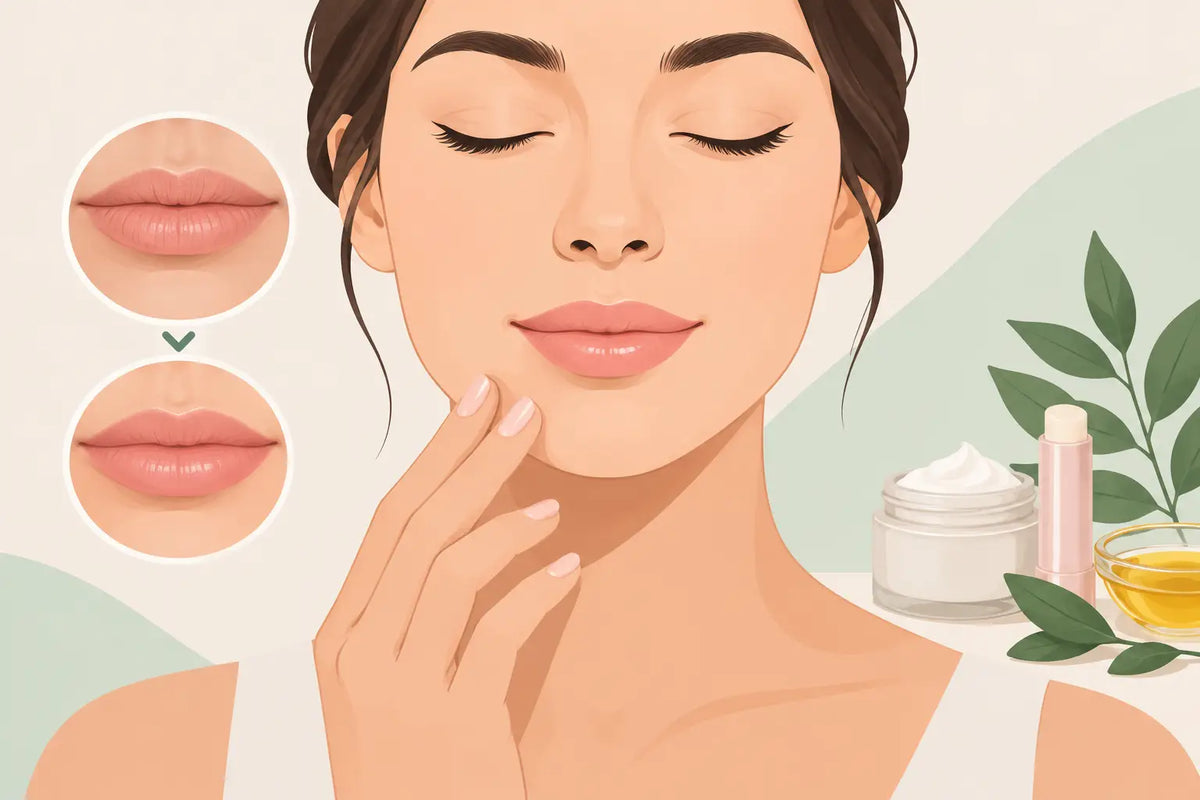
Vertical lip lines can make lipstick feather, lip color settle unevenly, and the area around the mouth look more tired than the rest of your face. If you are wondering how to fade lip lines, the most effective answer is not a single cream or quick fix. It is a collagen-focused approach that protects delicate skin, supports hydration, and addresses the structural changes that make lines more visible over time.
Lip lines are common, especially as collagen production slows with age. They can be softened, but expectations matter: topical care can improve dryness and surface texture, while collagen-stimulating treatments can help improve the look of deeper, etched-in lines gradually. The goal is smoother-looking skin around the mouth, not an overfilled or unnatural result.
Why lip lines form in the first place
The skin around the lips is constantly in motion. Talking, sipping through straws, pursing the lips, smiling, and sleeping positions all create repeated folding. Earlier in life, healthy collagen and elastin allow skin to spring back easily. Over time, that support network becomes less dense, so repeated expressions can leave visible creases behind.
Sun exposure is another major factor. UV rays accelerate collagen breakdown and can contribute to thinner, less resilient skin around the mouth. Smoking and vaping may intensify the issue through repetitive puckering and oxidative stress. Genetics, dehydration, and natural volume loss in the lips and lower face can also make vertical lines appear more pronounced.
That is why a moisturizing lip balm alone often falls short. Hydration can make lines look temporarily softer, but it does not rebuild the collagen support that has been lost beneath the surface.
How to fade lip lines with a layered routine
A smart routine treats both what you see now and what is contributing to the lines beneath the skin. Consistency matters more than an aggressive approach. The lip area is delicate, so the best plan is targeted, protective, and easy to maintain.
Protect the area from daily UV exposure
If you are working to improve lip lines without daily sun protection, you are working against yourself. Use a broad-spectrum sunscreen on the skin surrounding your mouth every morning, extending it up to the lip border without getting it inside the mouth. Reapply when you are outdoors for extended periods.
Choose a lip product with SPF for the lips themselves, particularly if you spend time driving, walking outdoors, or sitting near windows. This simple step helps prevent existing lines from becoming more defined while protecting the collagen you are working to support.
Hydrate strategically, not just heavily
Dehydrated skin reflects light unevenly, which can make fine lines look sharper. A hyaluronic acid serum can draw water into the skin around the mouth, creating a smoother, more cushioned appearance. Apply it to slightly damp skin, then follow with a moisturizer or peptide cream to help seal in hydration.
Peptides are especially useful in a lip-line routine because they support a more resilient-looking complexion over time. Think of hydration as the immediate cosmetic benefit and collagen-supporting ingredients as part of the longer-term strategy.
Avoid repeatedly licking your lips or relying on strongly flavored, tingling balms. For some people, these can trigger irritation and dryness, making fine lines more noticeable. A bland, nourishing balm is usually the better choice when the lip area feels compromised.
Use retinoids carefully around the mouth
Retinoids can support cell turnover and help improve the appearance of fine lines, but the skin around the mouth can be reactive. If you already use a retinoid comfortably on your face, consider applying a very small amount around, not directly on, the lips two or three nights a week. Keep it away from the corners of the mouth and lip border at first.
Dryness, peeling, or stinging are signs to pull back. Do not layer a strong retinoid with exfoliating acids on the same night in this area. Better results come from a routine your skin can tolerate consistently, not from pushing through irritation.
The role of collagen-stimulating laser technology
When lip lines are tied to collagen loss, treatments that work beneath the surface can offer more meaningful improvement than topical products alone. Non-fractional laser technology is designed to gently heat the dermis, signaling the skin's natural collagen-building response without creating an open wound or requiring the downtime associated with more aggressive resurfacing approaches.
This matters around the mouth because the area needs visible smoothing but does not always tolerate intense treatments well. A clinically validated at-home laser can fit into a regular skincare routine, making it easier to deliver the consistency collagen remodeling requires.
NIRA's non-fractional laser technology is designed to support collagen production and reduce the appearance of wrinkles in targeted facial areas, including around the mouth when used according to device instructions. Treatment should be performed on the skin surrounding the lips, never on the wet inner lip or inside the mouth. Follow the guidance for your specific device, including recommended frequency and placement.
Results with collagen-focused care are gradual. Some people notice improved hydration and surface smoothness first, while changes in the appearance of fine lines typically require weeks to months of regular use. That timeline is normal. Collagen production is biological work, not an overnight filter.
Habits that can make lip lines look deeper
Small daily choices can affect how the mouth area looks. Smoking is one of the clearest contributors to premature vertical lines, so quitting can benefit both skin quality and overall health. Frequent sun exposure without protection, rapid weight changes, and harsh cleansing can also make the area appear more creased.
Consider your makeup technique, too. Matte, long-wear lip formulas can emphasize texture when the lips and surrounding skin are dry. Prep with a hydrating balm, blot away excess, and use a lip liner sparingly to prevent color from migrating into fine lines. Satin and cream formulas often create a softer finish than ultra-matte products.
Be cautious with DIY exfoliation. Scrubs, toothbrush exfoliation, and strong acids may leave the lips temporarily smooth, but overuse can disrupt the skin barrier and create inflammation. Gentle exfoliation once in a while may be fine for some people, yet it is not a substitute for daily hydration, UV protection, or collagen support.
When to consider professional treatment
At-home care can make a real difference for mild to moderate lip lines and for maintaining results over time. But deeper lines, significant volume loss, or a desire for faster correction may call for a conversation with a board-certified dermatologist or qualified aesthetic provider.
Professional options may include resurfacing lasers, microneedling, fillers, or neuromodulators, depending on the cause of the lines and your anatomy. Each comes with trade-offs. Resurfacing can produce a more dramatic change but may involve downtime. Filler can support surrounding structure, but too much product can look unnatural in an area where precision matters. The right choice depends on your skin, goals, budget, and comfort with recovery time.
Seek medical evaluation promptly if a spot around the lips changes color, bleeds, crusts, fails to heal, or feels persistently sore. Not every change in the mouth area is a cosmetic concern.
Build a routine you can actually keep
For most people, the best way to soften lip lines is refreshingly straightforward: protect the area every day, keep the barrier hydrated, introduce proven active ingredients carefully, and use collagen-stimulating technology consistently if it fits your goals. Photograph the area in the same lighting every four to six weeks rather than judging progress day to day.
The lines around your mouth reflect years of expression, movement, and life. Treat them with precision and patience, and you can support smoother-looking skin without losing the natural character of your smile.


