

Key Takeaways
- The Process Behind Each Treatment: Botox temporarily paralyzes muscles to stop creasing, while the NIRA at-home laser uses gentle heat to stimulate the natural production of new collagen and elastin deep within the dermis.
- Longevity: Botox results last 3–6 months, requiring expensive maintenance sessions. NIRA laser treatment results build over 90 days of consistent use and are long-lasting.
- Cost & Convenience: NIRA is a one-time purchase that takes 2–5 minutes per day in the comfort of your home. Injectables involve recurring costs and time spent in a clinic for treatments that cost thousands per year.
- Safety: NIRA’s non-fractional laser technology is FDA-cleared, painless, and carries no risk of downtime or scarring.
For women navigating midlife, choosing how to manage visible signs of aging is about more than just aesthetics; it's about making a financial and emotional investment that genuinely aligns with their lifestyle and values. When looking for effective wrinkle reduction, two popular options often come up: Botox injections and an at-home laser for face treatments. They achieve smooth skin in completely different ways, and understanding those mechanisms is key to choosing the solution that offers true long-term value and skin health.
Understanding the Core Difference Between Botox and Laser Treatment
The core difference between these treatments lies in what they treat and how they work within your skin.
Botox: The Temporary Pause
Botox and other neurotoxin injections are designed to treat dynamic wrinkles: the lines that appear when you make facial expressions like smiling, frowning, or squinting. The neurotoxin works by temporarily paralyzing the underlying facial muscles, blocking nerve signals and preventing muscle contraction. Since the muscle can’t contract, the skin stays wrinkle-free, giving a smooth, relaxed look..
- What it treats: Dynamic lines on the forehead, between the eyebrows (frown lines), and around the eyes (crow’s feet).
- How long it lasts: The effects are temporary, typically lasting three to six months, and regular follow-up appointments are required to maintain the results.
- The trade-off: While effective for smoothing expression lines, Botox does not improve overall skin quality, texture, tone, or elasticity.
At-Home Laser: The Natural Renewal
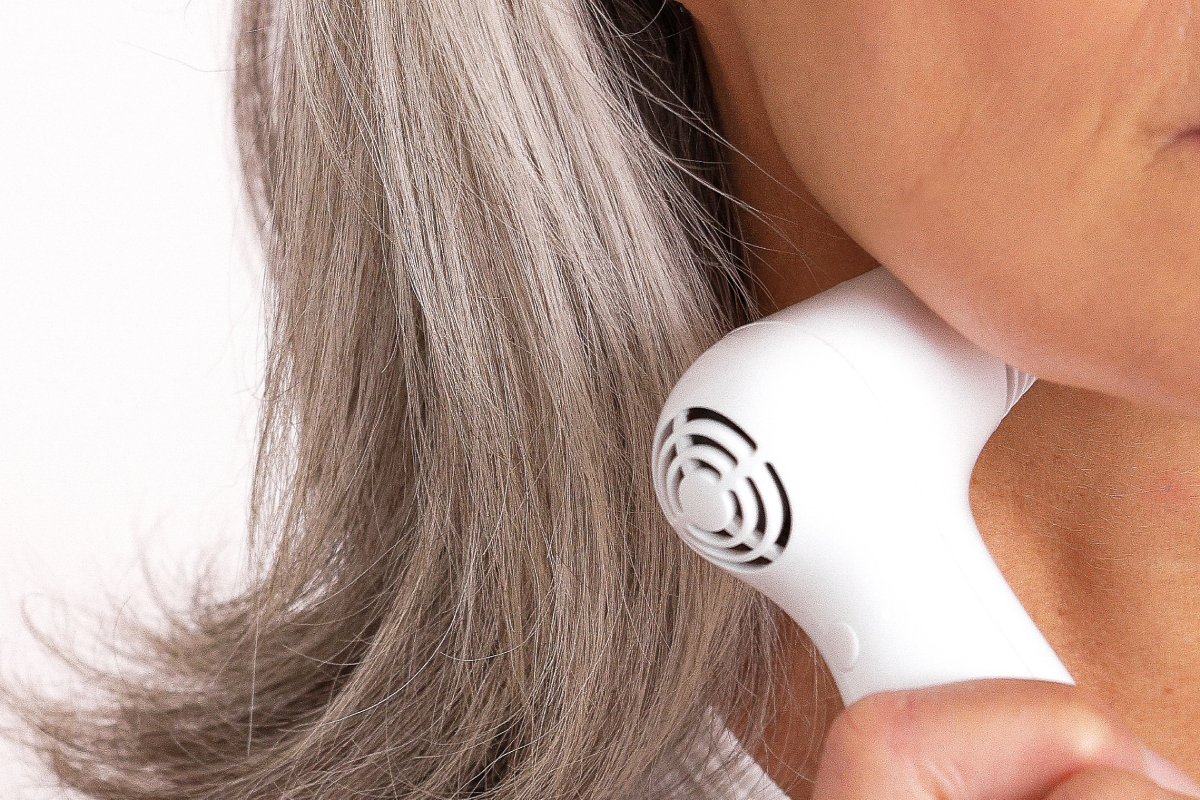
A high-quality laser at-home face treatment, such as NIRA’s non-fractional technology, operates in a completely different way.It works by sending targeted light energy deep into the dermis layer of the skin, where collagen and elastin reside. This gentle heat stimulates the fibroblast cells responsible for producing new, natural collagen.
What it treats: It targets the root cause of aging, collagen loss, which is responsible for fine lines, wrinkles, sagging skin, and poor texture. Because it rebuilds the skin's structure, lasers can address both dynamic and static wrinkles.
How long it lasts: Results build gradually over time, typically showing visible improvement within 60 to 90 days. Because it rebuilds your body's own collagen, the results are natural-looking and long-lasting, with 70% of users maintaining benefits for up to three months after stopping treatment.
The value: Laser treatments improve the overall health, tone, and texture of the skin, promoting long-term skin health on a cellular level.
Comparing the Cost and Convenience of Botox vs. Laser Treatment
|
Feature |
Botox Injections (Neurotoxins) |
NIRA At-Home Laser (Non-Fractional) |
|
How it Works |
Temporarily paralyzes muscles to stop creasing |
Stimulates natural collagen production via gentle heat |
|
Duration of Results |
3 to 6 months; requires repeated, recurring expense |
Visible improvement in 60–90 days; results are long-lasting |
|
Annual Cost |
High: $960 to $6,000 per year; multiple treatments needed |
Low: Initial purchase cost (under $650 for NIRA Pro Laser) |
|
Time/Location |
Requires time off for clinic appointments and healing time |
Quick and convenient: 2–5 minutes a day, zero downtime |
|
Side Effects |
Potential for bruising, swelling, lumpiness, or an unnatural look |
Painless and non-ablative |
Maximize your time. When you use Botox, you need to call the clinic, schedule the appointment, drive to the office, get the injections, and take care of the slight bruising or swelling afterward, all while hoping the results turn out exactly as planned. This process needs to be repeated at least two to three times a year, turning skin maintenance into an ongoing commitment with a high recurring cost.
When using a non-fractional laser at-home for face treatment, you simply incorporate a quick, pain-free session into your daily ritual, like brushing your teeth. It takes just a few minutes a day, often performed while having morning coffee or winding down in the evening. This eliminates the repeated expense, the travel time, and the emotional stress of invasive, needle-based procedures, empowering you to take control.
Skincare That Lets You Stay True to Yourself
When considering the long-term impact on your appearance, the choice between injections and laser therapy is deeply personal. It comes down to how you want to present yourself to the world: real and renewed, or temporarily paused.
Laser Therapy Supports Natural Aging: The process works with your body, signaling the organic production of collagen. This means your skin becomes genuinely firmer, smoother, and more resilient over time because its foundational structure has been strengthened. Imagine walking into a gathering, smiling freely, and knowing that your radiance is simply your own skin looking its best, not something injected last month. This authentic improvement means you can wear less makeup, feel great meeting friends, or attend important events without constantly wondering if you need a touch-up.
Botox Temporarily Alters Function: Injections achieve smoothness by pausing muscle movement. While this is undeniably effective for lines of expression, it can sometimes leave you feeling disconnected from your own face, unable to fully convey emotion in the way you naturally do. Regular Botox often shows up visibly, even without close inspection. It smooths the surface but doesn't address the texture, tone, or long-term health of the skin itself. For women who value authenticity, the temporary, paused look of injections can feel like an emotional compromise.
For those seeking meaningful, lasting renewal that honors their skin's natural vitality, rebuilding collagen from the inside out using an FDA-cleared laser at home for face treatments is the superior long-term investment. It’s an empowering approach to aging that delivers a naturally radiant appearance you can truly own.
Frequently Asked Questions
- Is an at-home laser or Botox better for forehead wrinkles?Botox is effective for eliminating dynamic forehead lines caused by muscle movement. However, using a laser at home for face treatments is a more holistic alternative because it addresses the underlying collagen loss, which is the root cause of static lines and sagging, providing a lasting improvement in skin quality over time.
- How long after stopping NIRA use will my wrinkles return? The results from NIRA are long-lasting. Clinical studies show that users maintained their wrinkle reduction benefits for up to three months after ceasing daily treatment. However, since aging is a continuous process, using the laser daily is recommended to continually rebuild collagen and maintain a smooth appearance.
- Is it safe to use my NIRA laser if I've had Botox in the past?Yes, you can safely use the NIRA laser if you have previously had injections. The laser works on the skin's dermal layer to stimulate collagen, while Botox works on the underlying muscle.
- How quickly do you see results with an at-home laser compared to an injection? Injections offer immediate smoothing as the muscle relaxes, typically fully visible within 3 to 10 days. An at-home collagen-boosting laser provides gradual, structural renewal, with noticeable results typically appearing within 60 to 90 days of consistent daily use.
- What is the biggest advantage of laser technology over injectable treatments? The biggest advantage is stimulating your skin’s natural healing and renewal response. A laser works with your body to build new structural proteins, improving the skin's texture, tone, and elasticity for long-term health, without the need for needles or foreign substances.
The journey to healthier, more radiant skin is a deeply personal one, and you deserve a solution that honors your skin's natural vitality. With so many external influences promoting quick, unnatural fixes, it can be hard to choose yourself and a natural approach to beauty. Choosing the long-term, restorative power of an FDA-cleared laser at home invests in structural renewal that visibly enhances your appearance every day, helping you embrace life without constant clinic visits.


