

TL;DR
A 16-week at-home study of a low-power 1450 nm NIRA laser (67 completer, ages 35–65) showed statistically significant periorbital wrinkle reduction, with ~69% achieving ≥1 full Fitzpatrick Wrinkle Scale improvement and high user satisfaction. Blinded clinician reviews confirmed results, adverse events were mild (brief warmth/dryness/color changes), and many participants maintained improvements 2–3 months post-treatment.
Action: Use the NIRA device daily per instructions for 16 weeks, photograph progress monthly, and reassess at 3 and 7 months.
David Bean, Zilong Huang, Felix Feldchtein, Kayla Govoni, Dermal Photonics Corp. (NIRA Brand)
January 20, 2019
OBJECTIVE AND BACKGROUND DATA: Non-ablative laser treatment has been shown to reduce the severity of wrinkles. These procedures are commonly done with relatively high power lasers by trained professionals. The purpose of this study is to evaluate the safety and efficacy of reducing wrinkles using a relatively low power, in-home laser procedure. MATERIALS AND METHODS: Sixty-seven participants with wrinkles between the ages of 35 and 65 completed the study meeting all protocol requirements. Participants administered treatment at home, once per day over 16 weeks (4 months). Self-report and clinician ratings of wrinkle severity were made each month for each participant. At the conclusion of the trial, participants rated their satisfaction with their results and the effectiveness of the product. Three clinicians, not involved in the study, reviewed photos of the trial and rated severity on a blinded and randomized basis. RESULTS: Wrinkle Analysis by the clinician and three blinded evaluators showed significant improvements in wrinkles. Most participants reported high levels of satisfaction and said they would recommend the product to a friend. No serious adverse effects were reported and most participants reported little to no pain. CONCLUSION: The laser treatment successfully provided improvement in wrinkles without significant side effects, such as pain and erythema, and with high satisfaction scores.
Introduction
Wrinkles are one of the most obvious signs of aging. Wrinkles typically first appear around the eyes and the effects of aging hinder a person’s confidence which can also lead to psychosocial abnormalities1. The “anti-aging” market is a multi-billion2 dollar industry, with millions of baby boomers hoping to reduce the appearance of growing fine lines and wrinkles2.
As a person ages, several alterations occur in the skin’s internal factors. These include stiffening of skin and interaction of permanent muscle contraction, and gravity effect upon thinned, inelastic dermis resulting in wrinkles. In simpler terms, wrinkles are caused by the degradation and loss of the collagen volume in the skin. Collagen controls skin strength and elasticity. With limited exceptions such as RetinA and Tazorac used for fine lines, topical treatments have limited effects on wrinkles, since they cannot access the collagen layer. To rejuvenate the skin is to stop or reverse the aging effects of the skin. The injury of the skin and the subsequent wound healing response is one of the mechanisms that result in younger looking skin. The development of rejuvenation treatments for aged skin is booming, especially the area of laser-based techniques, consisting of ablative and non-ablative laser cosmetic surgery. An induced thermal trauma by laser therapy leads to stimulation of collagen synthesis. The result is skin thickening and tightening. There has been a great interest in lasers in plastic surgery and dermatology, particularly those with short recovery periods. However, the cost, side effects and recovery times of these treatments discourage many, if not most, people from purchasing laser treatments.
Laser treatments work by heating the skin with the laser, and the light is absorbed by water in the dermal layer of the skin. High power non-ablative laser treatment has been effective, but often requires significant postoperative healing time and can result in pain, erythema, and scarring.3-4 Non-ablative lasers with wavelengths near 1450nm have been shown to reduce wrinkles with fewer side-effects. Unlike ablative laser resurfacing, which removes the epidermis, non-ablative laser treatment penetrates the epidermis and reacts with the upper dermis while leaving the epidermis fully intact without damage.5
1450nm light is at a local absorption spectrum peak of water that allows a penetration depth of about 500μm into the dermis, which is ideal for treating wrinkles. To minimize side-effects such as pain and erythema, fractional laser treatment is used on a small portion of the skin, typically about 10%, in a dot matrix format. Home lasers for wrinkles commonly use this approach which drives the local treated skin areas to cellular necrosis while maintaining a healthy non-ablated epidermis. The cells affected by the laser regenerate with the assistance of neighboring cells that are unaffected by the laser which support new skin formation and fast recovery. The treated areas typically experience localized pain and erythema as side effects that are tolerable to many users. However, these side effects can be a deterrent for this approach for many other users.
Other non-ablative methods that are considered leading treatments for wrinkles include chemical peels, retinoids and other topical agents. However, the cost, side effects and down times of these treatments can
be detrimental. Chemical peels can cause chemical reactions leading to a burning sensation and accompanied by erythema and scarring. Dermabrasion treats the epidermis layers of your skin, which can cause pain, scarring, erythema and skin irritation. Retinoid can cause dryness and peeling of the skin, but the effects have a shorter recovery period than all other treatments.
The leading non-ablative treatments for wrinkles include Botox, fillers, and collagen injections. These treatment methods can lead to side effects and unwanted outcomes including unnatural facial appearance.
The above discussion underscores the need for additional means to treat wrinkles.
This study was conducted to assess the new Precision Protein Promotion (P3) technology from Dermal Photonics Corp. (NIRA Branded), which has the potential to treat periorbital wrinkles without pain and erythema. P3 technology works by dynamically driving the laser to increase the temperature of the dermis over the threshold for heat-shock-protein (HSP) generation of about 39C but short of the pain threshold of approximately 45C6-7. The laser accomplishes this by bulk heating the skin with a laser in a non-fraction uniform way, quickly at first, and then the laser dynamically lowers its fluence as it approaches 45C dermal temperature. Then, the laser provides a fluence to maintain the dermal temperature just below the pain threshold. Using this approach, the dermal cells are intended to be slightly stressed but not damaged. Since the cells are bulk heated for about a second above 39C, there is significant time for HSP generation. After the laser treatment is completed, it takes several seconds for the dermis to lower back to below 39C causing HSP generation for approximately 3 seconds in a 1 second treatment. The HSP generates a skin rejuvenation response that promotes new collagen formation and existing collagen remodeling 6-7.
The effects of the treatment depend on the amount of energy delivered, which can be controlled by switching between power levels one through five, as well as the size of the treatment area, pulse duration, and the number of pulses. The laser treatment results in thermal injury to the dermis where the collagen is located5. This injury promotes regrowth and replenishment of healthy cells, thus decreasing the appearance of wrinkles.
This study will evaluate the efficacy of the P3 approach using a relatively low power hand-held laser with a non-fractional 1450nm wavelength that is safe for use at home. The laser is contained in a handheld device and outputs a fluence between 2.5-3.0 J/cm2 which is a lower output utilized in professional trials that range between 7.0-20.0 J/cm2. The fluence used in this study is about the same as the home fractional laser studies done by Palomar Palovia and Tria Beauty Age Defying Laser.
Materials and Methods
Participant Criteria
Inclusion criteria for all wrinkle participants included Fitzpatrick skin types I to IV and Fitzpatrick wrinkle scale grading of at least 3 on a scale of 1-9. Criteria for age ranged between 35 to 65 years old. Exclusion criteria included anyone pregnant or planning to be pregnant, undergoing fertility treatments, or nursing. Subjects that had laser treatments on the face within the last 4 weeks or Botox treatments within the study areas in the past 3 months were also excluded from the study. The last part of the exclusion criteria included subjects who were severely immunocompromised (such as may occur in AIDS, renal transplant regimens, immunosuppressed states consequent to malignancy or agents used rendering oncologic care, or in those who suffer from end stage renal disease), and subjects with psoriasis or lichen planus on the face.
Participants were required to wear sunscreen whenever exposed to the sun, and they were and they were required to avoid applying wrinkle cream, using Botox or fillers, or undergoing other cosmetic procedures for the duration of the study. Participants had to be willing to take home the device and use the device consistently on a daily basis as well as following up in person every four weeks to be clinically evaluated.
Participants
After providing informed consent, 76 participants in the study met the protocol requirements under the supervision of Dr. David Greenstein, which lasted for a total of 7 months (28 weeks). 70 participants were female and 6 were male. Age ranged from 35 to 65 years old. The skin color as measured by Fitpatrick skin tone scale, is shown below for participants.

Treatment Procedure
Phase 1
V1: Initial visit before treatment
V2: Visit 2 after 4 weeks of treatment
V3: Visit 3 after 8 weeks of treatment
V4: Visit 4 after 12 weeks of treatment
V5: Visit 5 after 16 weeks of treatment (end of treatment period)
Wrinkle participants conducted treatment with the NIRA skincare laser in the periorbital regions (areas around the eye only). The duration of this study was over the course of 7 months (28 weeks). The first phase of the study consisted of 4 months (16 weeks) of treatment and 5 clinician visits.
Participants were required to make a clinician visit for their initial evaluation and to have their photographs taken (V1) before starting treatment. Following the initial visit (V1), participants were required to take home the NIRA device to start daily treatments. Participants were required to follow up with a clinician visit to be evaluated at the end of week 4 (V2), week 8 (V3), week 12 (V4) and week 16 (V5). At each subsequent visit, the laser was checked for proper operations and results were recorded in the clinical study log. Participants informed the clinician of any adverse reactions that occurred since the previous laser treatment. Participants were then asked to log into the NIRA web portal to review the data with the clinician staff. In addition, each participant was to remove all makeup, wash face with soap and water, dry face, and clean face with alcohol wipes to remove excess oils and moisture. Participants then performed the laser treatment without any assistance or advice, and would only have the Instructions for Use as a guide while performance was evaluated and documented by the clinician staff. Each visit the participant was evaluated and an assessment was made of the skin condition. The fifth clinician visit (V5) (week 16) completed the NIRA laser treatment phase of the study, and the participants returned the device.
The last 3 months (12 weeks) of the study, participants were evaluated based on visual observations by the clinicians with no continued laser treatment. To ensure there were no adverse events, participants continued with their clinician visits at week 20 (V6), week 24 (V7), and week 28 (V8).
The continued visits included the participants logging into their NIRA web portal and reviewing their data with clinician staff up through week 16 (V5). In addition, each participant was to remove any makeup, wash face with soap and water, dry face, and clean face with alcohol wipes to remove any excess oils and moisture. Then, photographs of the participant were taken. Lastly, participants were evaluated, and an assessment was made of their skin by the clinician.

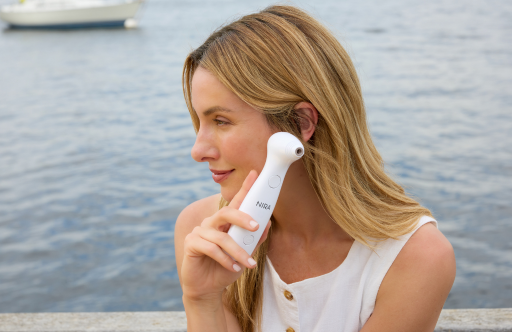
Figure 1: NIRA Laser Device used for treatment
Laser Treatment Method
The laser used, shown in figure 1, had a wavelength of 1450nm. The spot size of the pulse was 4mm x 4mm, each laser pulse lasted between 0.8 seconds and was made up of 5ms sub-pulses on a 70% to 80% duty cycle with dynamically modulated fluence to maintain the appropriate dermal temperature profile. Each participant was treated with 40-60 pulses per treatment around each eye (periorbital area). The laser provided a fluence of up to 3.3 J/cm2. The handheld device had a power operating range from 1 to 5 corresponding to energies of 2.5 to 3.0 J/cm2. The settings were adjusted as necessary by the subject for their comfort level. The subject was specifically given the protocol to set the laser level so they feel warmth without any pain.
Treatment was performed on the periorbital areas of the participants. Two or three rows of treatments were performed to cover the treatment area around the eyes. Treatment was administered at home on a daily basis for the duration of 4 months (16 weeks). During the last 3 months post treatment
phase of the study, participants were continuously evaluated to monitor any adverse results from treatment, and further pictures were taken to identify if improvements were maintained.
Data Collection / Wrinkle Analysis
The primary wrinkles data was in the form of high-resolution photographs that were taken during each visit by a professional photographer using a digital Nikon SLR camera under a consistent photography studio setup. The photography studio was set up in the office suite adjacent to the doctor’s office that housed the clinical study visits and evaluations. The lighting and photography settings were unchanged for the duration of the clinical study. The treatment evaluation consisted of an independent examination by each of three clinicians, scoring the participant based on scoring the participant visit photos shown in randomized order. The periorbital area of each participant was scored by the three independent clinicians using the Fitzpatrick Wrinkle Scale (FWS).

Figure 2a: (Left) Photograph taken at V1 (stage 1) treatment. (Right) Photograph at the last treatment V8. There are fewer visible wrinkles, and the wrinkles that are still present were reduced in size and depth.
Three independent evaluators completed two separate evaluations several weeks apart. The first evaluation scored the photographs of the subjects taken during the initial visit (V1) prior to any treatment, and during the 8th visit (V8) as shown in figure 2a; importantly, the photographs were in random order and evaluators were blinded to which photograph was V1 and which was V8.
In the second independent evaluation, evaluators scored all visit photos using the same FWS as before. The photos shown to evaluators were in random order for visits V1, V4, V5, V6, V7, and V8. The photos were labeled A through F as shown below in Figure 2b.
The null hypothesis of this test determined that the populations of the Fitzpatrick Skin types I-IV were normally distributed. The Sharpiro-Wilk test determined that the periorbital scores did not show a normal distribution, therefore per the protocol, a rank test was used to assess the statistical significance. The slight clinically significant difference is defined as a mean improvement in score across all subjects by one score or more from baseline as determined by the median of the three blinded evaluators.

Figure 2b: Randomized blinded review setup.
Effectiveness was determined by comparing within-patient change-from-baseline using the Fitzpatrick Wrinkle Scale (FWS) for wrinkles. Successful treatment was defined as an improvement in score by one or more from the baseline.
Dennett’s adjusted p-value of greater than 0.0001 was considered to compare each week’s improvement to the baseline. The P value, or calculated probability, is the probability of finding the observed, or more extreme, results when the Page | 5 Confidential
null hypothesis (H0) of a study question is true – the definition of ‘extreme’ depends on how the hypothesis is being tested. The result provided a more accurate value towards the culmination of the evaluation.
Results
Effects on wrinkles
There were a total of 76 participants and 67 of the participants completed the study meeting all protocol requirements. The participants that were unable to comply with set instructions or fell below the Fitzpatrick scale of level 3 were considered drop outs described under the ruling of the protocol. 9 participants were withdrawn from the study for compliance reasons.
|
Table 1.1 shows a per protocol analysis with the removal of participants for different protocol violations to compare the mean, median and p-value from the signed rank test (H0) that calculated the overall improvement in the appearance of wrinkles. A negative value indicates improvement. Successful treatment is defined as an improvement in score by one score or more from the baseline. |
|
No.Participants |
Mean |
Median |
P-value |
|
76 |
-0.974 |
-1.00 |
<0.0001 |
|
72 |
-0.958 |
-1.00 |
<0.0001 |
|
69 |
-1.014 |
-1.00 |
<0.0001 |
|
67 |
-1.075 |
-1.00 |
<0.0001 |
Table 1.1: Shows the mean, median and p-value from the signed rank test (H0) that calculated the overall improvement in the appearance of wrinkles. A negative value indicates improvement. Successful treatment is defined as an improvement in median score by one score or more from the baseline.
An improvement of at least one score was seen in 64.5% (49/76) of subjects on the overall wrinkle assessment. This is a statistically significant improvement and more than half of the subject’s showed improvement on overall assessment leading to the median being a one score improvement.
With the removal of four subjects with no visit 8 (V8) per protocol violation, an improvement of at least one score was seen in 63.9% (46/72) of subjects on the overall wrinkle assessment. This result is a statistically significant improvement and the more than half the subject’s showed improvement on overall assessment leading to the median being a one score improvement.
With the removal of four subjects with no visit 8 (V8) and three subjects that fell below level 3 on the Fitzpatrick scale per protocol violation, an improvement of at least one score was seen in 66.7% (46/69) of subjects on the overall wrinkle assessment. A statistically significant improvement was seen, and the mean improvement of the overall wrinkles assessment is higher than one score in addition to more than half of the subjects showing an improvement on the overall assessment leading to the median being a one score improvement.
With the removal of four subjects with no visit 8 (V8) and three subjects that fell below the Fitzpatrick scale of level 3 and two subjects that smiled in their initial photo for the initial visit (causing an inaccurate wrinkle baseline) before starting treatment per protocol violation, an improvement of at least one score was seen in 68.7 (46/67) of subjects on overall wrinkle assessment. A statistically significant improvement was seen, and the mean improvement of overall wrinkles assessment is higher than one score in addition to more than half of the subjects showing an improvement on overall assessment leading to the median being a one score improvement.

Figure 3: Shows the percentage of participants who saw full wrinkle scale improvements from 3 months to 7 months.
Periorbital treatment met the predefined clinical and statistical endpoint with a median reduction of one unit in the Fitzpatrick Wrinkle Scale. As shown in figure 3, an improvement of at least one score was seen in 69% of subjects and 36% of subjects saw 2 full wrinkle scale improvements. 10% of subjects saw 3 full wrinkle scale improvements at 7 months on the overall periorbital facial wrinkles assessment. There was full-scale wrinkle improvement in as little as 3 months. 61% of users saw 1 full wrinkle scale unit improvement within 3 months and 12% of users saw 2 full wrinkle scale unit improvements within as little as 3 months.
The three independently blinded professionals found that 81% of participants continued to see improvements in the appearance of wrinkles for at least 2 months after they stopped using the NIRA device, and 68% of participants continued to see improvements in the appearance of wrinkles for at least 3 months after they stopped using the NIRA device.
Safety of the Participants
This study evaluated the safety and efficacy of a low power laser with a 1450nm wavelength that is safe for at home use. The NIRA laser, shown in figure 1, allows people to treat themselves with the same technology as professionals at a substantially reduced cost. The effects of the treatment depend on the amount of energy delivered, which can be controlled by switching between power levels 1 through 5. Safety was assessed by evaluating types of severity, duration, resolution, and rates of adverse events, and their possible relationship to the laser treatments. No unanticipated or severe adverse events were reported. On a small minority of participants, adverse events that were reported included skin warmth and minor stinging, dryness, and temporary skin color changes where skin became darker in color but these were not unexpected. There was no data showing any adverse events due to skin type V or VI.

Figure 4: Shows participants results from the satisfaction survey that include results from an addition study with acne participants
Discussion
A major endpoint of this study was achieved with the majority of participants achieving a reduction of at least 1 on the Fitzpatrick Wrinkle Scale. As seen in Figure 2, the photographs showed a number of visible wrinkle reductions in participants. The observations were confirmed by the blinded clinician’s analysis of the photographs. These results lead to further consideration of this handheld system as a successful adjunct to mainstay wrinkle therapy. The hand-held functionality enables the patient to self-administer treatment.
The participant satisfaction was assessed through an anonymous survey. The results from the anonymous survey, as seen in figure 4, show that 99% of users felt the NIRA Skincare Laser was easy to use and 87% of users enjoyed using the NIRA Laser. The participants’ high satisfaction ratings suggest that this device is easy to use and could perform successfully in the home market. This study has revealed that low power laser treatment over a number of weeks has the ability to visibly reduce wrinkles.
Further studies could be performed in combination with topical treatments and medications to see if wrinkle reduction has greater improvements.
References
1. Tan, MD, FRCPC, J. K. L. Tan. "Psychosocial Impact of Acne Vulgaris: Evaluating the Evidence." Skin Therapy Letter 9.7 (2004). Web.06 June 2011.
2. Sugla, Sandeep. "Anti-aging Products and Services: The Global Market." Market Research Reports, Industry Analysis,
Newsletters and Conferences. BCC Research, May 2009. Web. 06 June 2011.
3. Goldberg, David J., Arlene S. Rogachefsky, and Sirunya Silapunt. "Non-Ablative Laser Treatment of Facial Rhytides: A Comparison of 1450-Nm Diode Laser Treatment with Dynamic Cooling as Opposed to Treatment with Dynamic Cooling Alone." Lasers in Surgery and Medicine 30.2 (2002): 79-81.
4. Friedman, Paul M., et al. "Treatment of Inflammatory Facial Acne Vulgaris with the 1450-Nm Diode Laser: A Pilot Study." Dermatologic Surgery 30.2 (2004): 147-51.
5. Astner, Susanne, and Tsao, Sandy S. "Clinical Evaluation of a 1,450-Nm Diode Laser as Adjunctive Treatment for Refractory Facial Acne Vulgaris." Dermatologic Surgery 34.8 (2008): 1054-61. 6. Dams, Susanne. “Heat shocks enhance procollagen type I and III expression in fibroblasts in ex vivo human skin.” Skin Research and Technology. 17(2) (2011): 167-180.
7. Dams, Susanne. “The Effect Of Heat Shocks In Skin Rejuvenation.” Technische Universiteit Eindhoven; 2010.


